

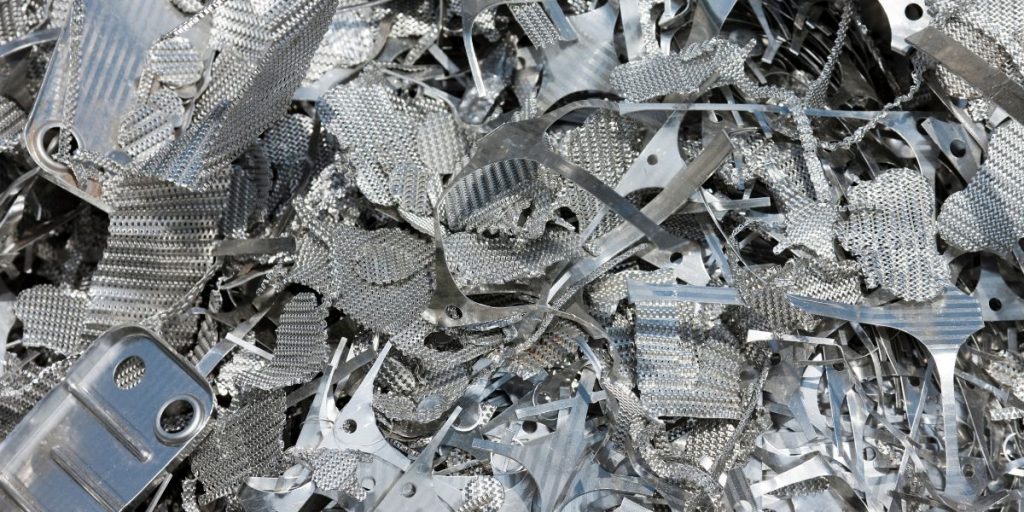
If you want to sell steel scrap and actually get paid what it is worth, the buyer you choose matters almost as much as the metal you bring. Beams, rebar, and sheet all move through the same recycling system, but they are graded, priced, and accepted differently at every gate. Businesses that learn where to sell steel, how to prepare each load, and how to compare offers consistently walk away with larger checks. This guide breaks down the buyers, the grades, the prep work, and the pricing factors that shape your payout.
Where to Sell Steel: Which Buyers Pay the Most for Scrap?
The best place to sell steel scrap depends on your volume and timeline. Local scrap yards suit small, frequent loads, steel mills and large processors pay more for consistent bulk tonnage, and online marketplaces let you compare several buyers at once. For most businesses, where to sell steel comes down to matching load size to buyer type.
Local scrap yards are the most convenient option. You drive in, get weighed, and usually receive payment the same day, which makes them a good fit for contractors and shops that generate steel in smaller, frequent batches. The tradeoff is that yard pricing can reflect a middleman margin, especially on mixed or unsorted loads. Larger processors and mill-supplying dealers generally offer stronger rates for consistent, well-sorted tonnage because they can feed that steel directly into furnaces. According to the American Iron and Steel Institute, roughly 70 percent of U.S. steel is now made in electric arc furnaces that rely mainly on scrap, which is why demand for clean ferrous material stays steady. Mills rarely buy straight from small sellers, so most businesses reach them through a dealer or broker.
Online platforms add a third path. A marketplace lets you compare buyers and find the best value for scrap metal without calling around, then choose the offer that fits your load size and pickup needs. When deciding where to sell steel, ask yourself three questions: how much steel you generate each month, how clean it is, and how quickly you need payment.
How Do Steel Beams, Rebar, and Sheet Scrap Differ in Value?
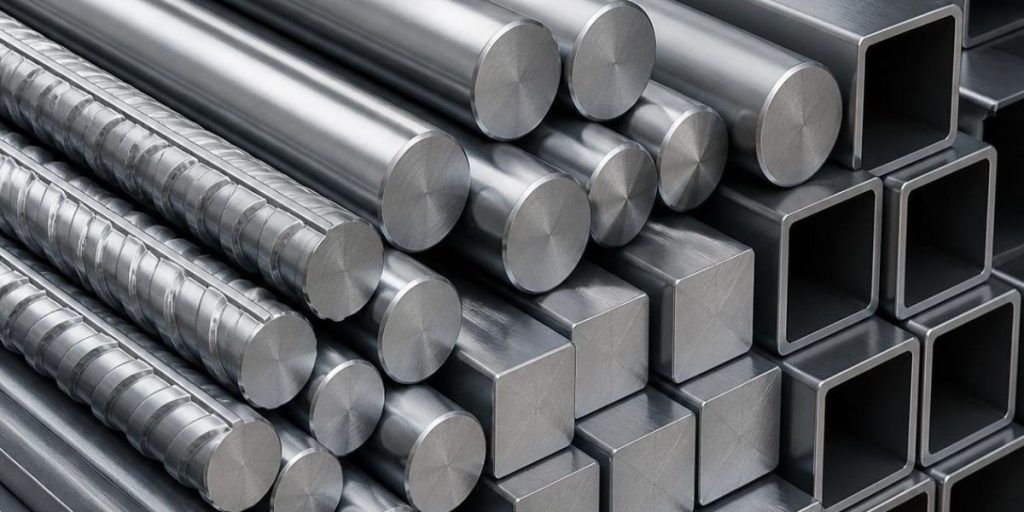
Steel beams usually earn the strongest price because they are thick, clean, and easy for mills to melt. Rebar sells well when it is free of concrete and bundled, while thin sheet scrap typically pays less per ton because it is lighter and more likely to carry coatings. Knowing this helps you set realistic expectations.
Structural Steel Beams and Plate
I-beams, H-beams, channels, angle iron, and heavy plates sit at the premium end of the market. Many buyers grade this material as heavy melting steel or plate and structural when it is roughly a quarter inch thick or more, and they usually want pieces cut to a manageable length, often around five feet or less, though every buyer sets its own limits. The Steel Recycling Institute has reported that structural beams and plates are recycled at rates near 98 percent, which shows how reliably this material is absorbed back into new steel. Light paint and bolts are usually tolerated, but wood, insulation, and concrete can trigger deductions.
Rebar
Rebar is thinner and more irregular than structural steel, so it often lands in a lower grade unless it arrives clean and bundled. Concrete residue and tie wire are the usual problems, since buyers pay for steel weight, not cement. Cutting rebar to length, knocking off loose concrete, and bundling it tightly can move a load into a better category and speed up weigh-in. Epoxy-coated rebar may be handled differently, so mention it when you request a quote.
Sheet Steel
Sheet scrap includes roofing panels, ductwork, appliance shells, and factory offcuts. Clean, uniform sheets from fabrication shops, often called busheling, tend to earn more than mixed light iron because mills value consistency and low contamination. Galvanized coatings, paint, insulation, and attached plastic or wiring pull the grade down. Because the sheet is light, volume matters, and baling or compacting it can reduce handling costs. Whichever form you bring, understanding these tiers is the first step when you sell steel scrap at a competitive rate.
How Should You Prepare Steel Scrap to Earn More?
Preparation protects your payout. Sort steel by type, cut oversized beams to your buyer’s length limit, remove concrete, wood, and attachments, and keep non-ferrous metals out of the load. Clean, well-sorted steel earns a higher grade at the scale, which is the simplest way to sell steel scrap for more money.
Start by sorting. A simple magnet test identifies most carbon steel, and keeping it apart from copper, aluminum, stainless, and other non-ferrous metals protects your grade while letting you sell those higher-value metals separately. If your site generates several metal types, separating steel from other metals before pickup is one of the easiest ways to avoid downgrades. Next, size your material. Oversized beams slow down buyers and may be rejected outright, so confirm length limits and cut accordingly. Remove concrete, wood, rubber, and loose attachments before loading.
Be careful with torch cutting. Galvanized and painted steel can release hazardous fumes, so use proper ventilation and protective equipment. Finally, load safely and request a weight ticket. Heavy beams need proper rigging and often a hauler with the right equipment, so plan transport before you schedule a sale. When material arrives sorted, sized, and clean, buyers spend less time grading and more time making competitive offers.
What Affects Steel Scrap Prices From Week to Week?
Steel scrap prices move with mill demand, ferrous export markets, energy costs, freight, and the grade of your material. Because mills reset their buying prices regularly, the same load can pay differently from one week to the next. Tracking current quotes helps you decide whether to sell steel scrap now or hold.
Mills and processors adjust what they pay based on how much steel they need, how much is available, and what it costs to move it. Energy prices, export demand, and freight all filter down to the quote you see at the scale. Beyond market conditions, your own material matters: thickness, cleanliness, and consistency determine which price tier you land in.
Scrap also remains a core input for steelmaking. The World Steel Association estimates that every tonne of steel scrap used in production avoids roughly 1.4 tonnes of iron ore, about 740 kilograms of coal, and 120 kilograms of limestone, so mills have strong reasons to keep buying. Confirm whether a quote is per gross ton (2,240 pounds) or net ton (2,000 pounds), since mixing them up can change your payout noticeably. If you generate steel steadily, selling on a regular schedule is often easier than trying to time every swing. Holding material for a better price is possible when you have space and flexibility, but storage costs and price risk need to be weighed against the potential gain.
How Can You Compare Offers and Protect Your Payout?
Compare steel scrap offers on net payout, not just the posted price per ton. Ask each buyer about grade definitions, deductions for contamination, scale certification, payment terms, and pickup options. A slightly lower price from a buyer with fair grading and fast payment often beats a high quote that shrinks at the scale.
Ask for quotes in writing and make sure each one specifies grade, unit of weight, and deductions. Request the scale ticket, photograph your load before it leaves, and keep records so you can resolve any dispute quickly. Check payment terms too: same-day payment helps cash flow, while longer terms may suit larger accounts. Pickup is another variable. A buyer who offers hauling can save you equipment and labor, particularly with long beams.
Over time, repeat sales to a buyer you trust can improve both pricing and service. Businesses that learn how to turn steel scrap into steady income treat scrap like any other revenue line: they track what they generate, compare quotes, and sell on purpose. That discipline is what separates occasional windfalls from reliable returns when you sell steel scrap.
Next Steps for Selling Steel Scrap With Confidence
To earn more from steel scrap, know your grade, prepare your load, compare at least a few buyers, and sell on a schedule that fits your cash flow. These habits turn irregular scrap piles into a reliable revenue stream, especially for contractors, fabricators, and demolition teams that generate steel every month.
Beams, rebar, and sheet each carry their own value, and the businesses that earn the most are the ones that respect those differences. Sort carefully, cut to length, keep contamination out, and ask the right questions before you commit. If you are ready to sell steel scrap and want help finding where to sell steel at a fair price, explore ScrapGo to compare buyers and arrange your next pickup.
Frequently Asked Questions
Yes. Most scrap yards buy structural steel, rebar, and sheet by weight. Bring ID, expect a weigh-in, and confirm accepted lengths and grades before arriving so you avoid rejected or downgraded loads.
Sell beams to a yard or processor that grades by thickness and pays on certified weight. Large quantities may earn better rates from a buyer supplying mills, so compare at least three quotes.
Often, yes. Rebar is thinner and frequently carries concrete or tie wire, which lowers its grade. Cleaned, bundled, and cut-to-length rebar closes much of that price gap.
Prices change often with mill demand, grade, and region, so no single number applies. Ask buyers for current quotes per gross or net ton and confirm deductions before you load.
Yes. A magnet separates most carbon steel from non-ferrous metals, while stainless needs its own handling. Sorting keeps your steel at a higher grade and lets you sell copper and aluminum separately.
Sort and clean your steel, cut oversized pieces to length, compare several buyers, and sell consistent volumes. Better grading and fewer deductions usually raise payout more than chasing the highest posted price.