

The cost of scrap metal is never a single number, because two loads of the same metal can sell for very different amounts on the same day. For businesses handling copper, aluminum, brass, and stainless, non ferrous metal prices depend heavily on grade and cleanliness. A tidy, well-sorted load earns top-tier pricing, while a mixed or contaminated one gets discounted. This guide explains how buyers grade material, why cleanliness moves your payout, and what steps help you capture more value from every pickup.
What Drives the Cost of Scrap Metal for Nonferrous Materials?
The cost of scrap metal in the nonferrous category is driven by three forces: the global market price of the base metal, the grade of the material you bring in, and how clean it is. Market price sets the ceiling, while grade and cleanliness decide how much of that ceiling you actually receive.
Start with the market. Benchmark prices for base metals move daily on global exchanges. According to EUWID Recycling, copper on the London Metal Exchange traded around US$13,500 per tonne in late May 2026, more than 8 percent above where it began the year and roughly 40 percent higher than a year earlier. Buyers typically pay a percentage of the benchmark rather than the benchmark itself, and that percentage depends on what the material is and what condition it arrives in.
The stakes are large. IBISWorld estimates the broader US scrap metal recycling industry at about $43.6 billion in 2026, and puts the nonferrous segment at roughly $23.9 billion. It also notes that nonferrous recycling revenue is primarily a function of nonferrous metal prices, which have been highly volatile over the past five years. That volatility is why a one-time price check is not enough. For a closer look at how quickly quotes shift, read our breakdown of how often scrap metal prices change, then return here to see how your own material quality shapes the number you actually receive.
Put simply, the cost of scrap metal has a market component you cannot control and a material component you can. Sellers who take the second part seriously tend to see steadier results no matter which way the market moves.
How Does Grade Change Non Ferrous Metal Prices?
Grade is the buyer’s shorthand for purity and form. Higher grades, such as bare bright copper or clean aluminum extrusions, contain more recoverable metal and need less processing, so they command higher non ferrous metal prices. Lower grades with insulation, attachments, or mixed alloys sell at a discount because the buyer must sort, strip, or refine them first.
How Are Copper Grades Priced?
Copper shows the grade effect most clearly. Bare bright copper, which is clean, uncoated wire with no insulation, heavy oxidation, or solder, sits at the top of the range. Number one copper tubing and clean heavy pieces follow, while number two copper, which may be corroded, painted, or fitted with solder joints, earns less. Insulated wire and cable sell at lower per-pound rates because the buyer must strip or granulate the insulation to reach the metal. Many buyers rely on the Recycled Materials Association’s Scrap Specifications Circular as a common grading language, so ask your buyer which grade names they use before you compare quotes.
What About Aluminum, Brass, and Stainless Steel?
Aluminum follows the same logic. Clean extrusions and sheets from a single alloy family earn more than cast aluminum, painted siding, or mixed turnings, and pieces with steel screws or rubber gaskets still attached are often downgraded as dirty aluminum. Brass is graded by color and content, with clean yellow brass priced above plumbing fixtures that still carry iron parts. Stainless steel sits in a gray area. It is technically an iron-based alloy, yet yards typically price it alongside nonferrous metals because of its nickel content, and austenitic grades such as 304 and 316 usually pay more than magnetic grades such as 430.
Because grade changes the price of each metal differently, the composition of your load matters as much as its weight. Our guide on why your scrap mix affects revenue explains how mixed loads get blended into a lower rate and why separating categories before pickup protects your income. When you see non ferrous metal prices quoted online, remember that they describe a specific grade, not every item made of that metal.

Why Does Cleanliness Reduce Your Scrap Payout?
Cleanliness reduces payout because every contaminant, such as steel fittings, plastic, paint, oil, or dirt, adds weight that buyers cannot sell as metal. Yards deduct for that weight or downgrade the whole load to a lower category. Removing contaminants before delivery protects your payout and often moves material into a higher price tier.
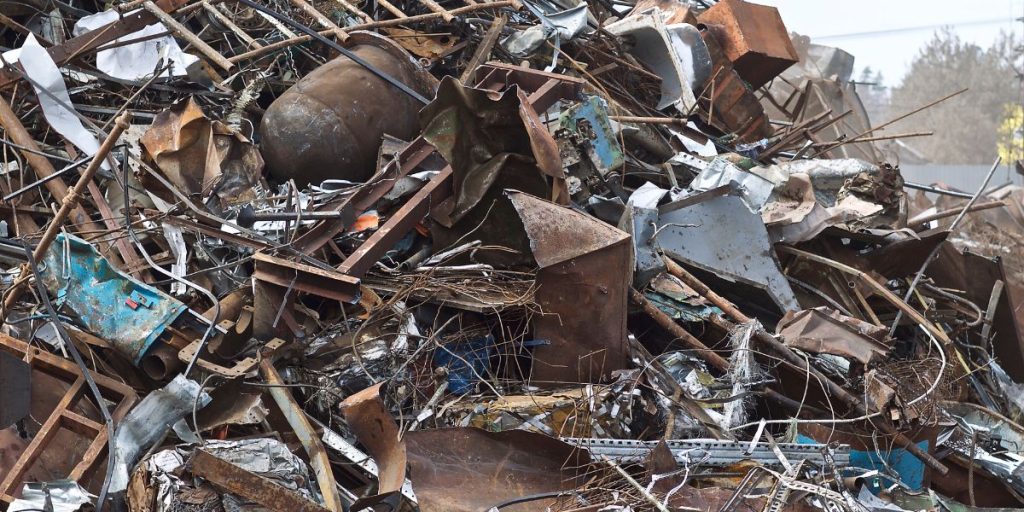
Contamination is the most common reason a seller’s check comes in lower than expected. Steel screws on aluminum window frames, iron fittings on brass valves, plastic housings on copper motors, and oil or dirt on any metal all add weight that the buyer cannot sell as the target metal. Yards handle this in one of two ways: they estimate and deduct the non-metal weight, or they move the entire load down to a cheaper grade. Either approach reduces what you are paid, and the second can be costly on large loads.
Moisture and mixed alloys create hidden losses too. Wet or oily material weighs more but yields less metal, and a drum of mixed aluminum alloys is typically sold as a lower-value mixed grade rather than as premium sheet or extrusion. Buyers have little choice here, because downstream mills and smelters set strict tolerances for what they will accept. A yard that ships contaminated material risks rejection, so it prices that risk into its offer.
A simple illustration shows the effect. Imagine two sellers bring the same weight of copper wire. One delivers stripped, bright wire sorted into a single bin. The other delivers insulated cable mixed with connectors and steel clamps. On the same day and at the same benchmark, the first seller is paid at a premium bare bright rate, while the second is paid at a lower insulated or mixed rate after deductions. The metal is identical; the preparation is not. This is why the cost of scrap metal you see advertised often differs from what a seller nets.
How Can You Sort and Prepare Scrap to Earn More?
Sort by metal type first, then by grade within each metal. Remove steel attachments, strip loose plastic where practical, keep material dry, and store each grade in its own container. Clear separation lets the buyer verify quality quickly, which supports a stronger non ferrous metal prices quote and fewer deductions at the scale.
Preparation does not need to be elaborate. Begin with a magnet to pull steel and iron away from aluminum, copper, and brass, since a magnet will not grab those metals. Then sort each metal by grade, keeping bare wire away from insulated wire, clean aluminum away from painted or cast pieces, and brass away from fittings that still have iron parts. Our walkthrough on how to separate scrap metal covers the tools and simple tests that make this faster.
Is It Worth Stripping Insulated Wire?
Sometimes, but not always. Stripping turns insulated wire into bare bright copper, which earns a higher rate, but it takes labor and equipment. For small quantities, hand stripping may only pay off if your time is inexpensive, while for large volumes a wire stripping machine can change the math. Compare the price gap between insulated and bare bright quotes against your labor cost per pound before you invest the time. When the gap is narrow, selling the wire as is can be the smarter move.
Finally, keep records. Photograph sorted material, note weights, and label containers by grade. Documentation helps you question a downgrade and gives you a baseline for comparing buyers. Sellers who track results over several pickups quickly learn which preparation steps return the most money per hour.
How Do You Time Sales and Choose a Buyer for Better Pay?
Prices move with global markets, so timing matters, but a reliable buyer matters more. Compare quotes by grade, ask how material is graded and weighed, and confirm payment terms before loading. A transparent buyer who explains deductions will usually deliver a better net result than the highest advertised cost of scrap metal number.
Timing is worth considering, but do not wait for a perfect peak. Markets can reverse without warning, and holding inventory carries storage, security, and cash-flow costs. A more practical approach is to sell on a regular schedule, such as monthly for steady generators of scrap, and to move larger accumulations when the benchmark is favorable.
Choosing the buyer is where many sellers leave money behind. Ask which grade names and specifications the yard uses, whether material is weighed on a certified scale in front of you, how deductions are calculated, and how quickly payment arrives. Request quotes for specific grades rather than a general price per pound, because a vague number makes comparison impossible. A buyer that willingly explains its grading will generally be easier to work with over time than one that offers a high headline rate and unclear deductions.
Businesses that generate scrap regularly, such as contractors, manufacturers, and facility managers, benefit from a buyer that can handle pickup, grading, and payment in one process. Scrapgo supports commercial sellers with scrap hauling and purchasing, which makes comparing its quotes against your current arrangement a practical next step.
Your Copper, Aluminum and Brass Deserve a Better Payout
Get a quote based on your actual grades and volumes, with pickup and payment handled in one process.
Final Takeaways: Turning Grade and Cleanliness Into Higher Pay
Grade and cleanliness are the two levers you control in the cost of scrap metal equation. Market prices will rise and fall, but sorted, clean, accurately graded material consistently earns more per pound than mixed loads. Build simple sorting habits, document your material, and partner with a buyer who prices transparently.
Three habits carry the most weight. Know your grades and request quotes by grade. Keep ferrous contamination, plastic, and moisture away from nonferrous material. Sell through a buyer that explains weights and deductions openly. Sellers who understand how non ferrous metal prices respond to grade and cleanliness stop treating the market as a mystery and start treating their own preparation as a profit driver. If you are ready to compare pricing on your own mix, contact Scrapgo for a quote based on your actual grades and volumes.
FREQUENTLY ASKED QUESTIONS
Benchmark prices can move daily, while yard quotes often update daily or weekly depending on the buyer. Always request a current quote for your specific grade and confirm how long the price is held.
They start with global benchmark prices for metals like copper and aluminum, then adjust for grade, cleanliness, quantity, and local demand. Your material’s quality determines how much of the benchmark you receive.
Among common nonferrous scrap, copper and brass typically pay more per pound than aluminum, and clean bare bright copper usually sits at the top. Exact rates depend on the day, grade, and buyer, so compare current quotes.
Yes. Removing steel attachments, plastic, dirt, and moisture helps material qualify for a higher grade and reduces weight deductions. Gains are typically biggest on wire, aluminum, and brass.
It depends on the price gap between bare bright and insulated rates versus your labor and equipment cost. Large volumes often justify stripping; small quantities may not.
Sort by metal with a magnet, check for coatings or attachments, and ask your buyer which grade names they use. Many buyers will grade material on arrival and explain any downgrade.