

Can I sell steel if my business has more of it than I know what to do with? Absolutely, and for many companies it is one of the easiest ways to turn leftover material into cash. Steel is North America’s most recycled material, which means scrap yards, mills, and recyclers are always looking for supply. This guide explains who buys steel, what it is worth, how to prepare it, and where to sell it, including options for metal recycling Chicago businesses can rely on. Let’s start with the basics.
Can I Sell Steel Scrap to a Recycler or Scrap Yard?
Yes, you can sell steel to scrap yards, metal recyclers, and steel mills. Businesses typically sell steel offcuts, demolition debris, old equipment, and manufacturing waste. Buyers pay by weight and grade, so clean, sorted material earns more. Most buyers also ask for identification and basic paperwork, which keeps every transaction legal and traceable.
The short answer to can I sell steel is yes, but who you sell matters. Scrap yards buy directly from businesses, while recyclers and brokers often handle larger volumes and arrange pickup. Steel is in demand because new steel cannot be made without scrap. According to the Steel Recycling Institute (SRI), a unit of the American Iron and Steel Institute, all new steel made in North America contains a minimum of 28 percent recycled scrap, and some processes use as much as 90 percent. In other words, your leftover steel is a raw material that mills actively need.
The question of how I can sell steel comes up most often in construction, manufacturing, fabrication, auto repair, property management, and facilities maintenance. Each of these generates steel in a different form, from structural beams and rebar to sheet metal trimmings and retired machinery. If you produce it regularly, you may qualify for scheduled pickups and better pricing than a one-time seller. Selling steel is not just a cleanup task. When handled well, it becomes a predictable revenue line that offsets disposal costs.
It also helps to understand the difference between a scrap yard and a broker. A yard processes and resells metal, so you deliver to its location and get paid on its scale. A broker or marketplace connects you with several buyers, which can improve pricing when you have large or recurring volumes. Neither is automatically better. A small fabrication shop with a weekly bin of offcuts may be perfectly served by a local yard, while a demolition contractor with truckloads of beams will likely benefit from comparing multiple bids.
What Types of Steel Scrap Can Businesses Sell, and What Is It Worth?
Businesses can sell carbon steel, structural steel, cast iron, and stainless steel. Price depends on grade, cleanliness, and market demand. Carbon steel is typically priced per ton, while stainless steel is priced separately and often higher because of its nickel content. Heavier, cleaner loads generally earn stronger offers.
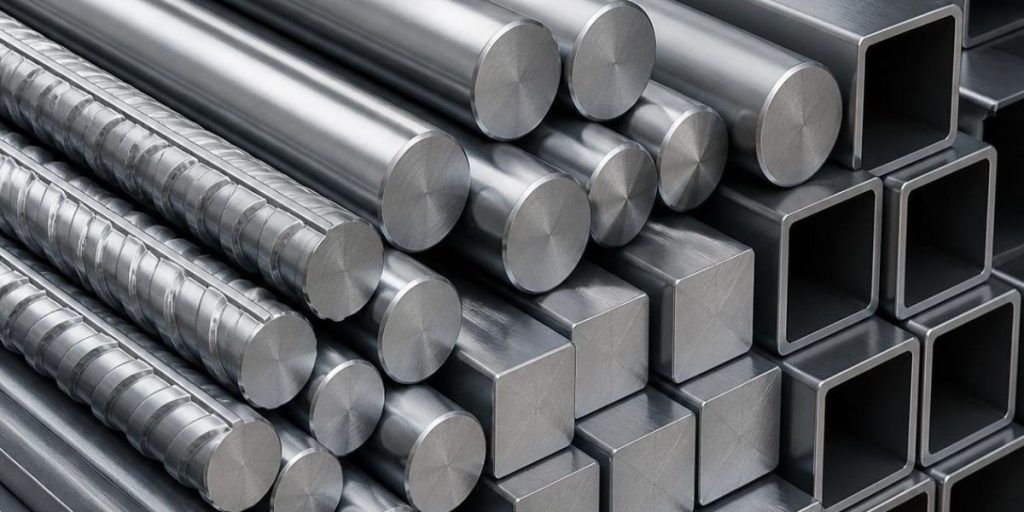
Most steel scrap falls into a few common categories. Heavy melting steel, which includes thick plate, beams, and large pieces of equipment, is among the most commonly sold grades. Busheling, which is clean sheet-metal trim from manufacturing, and shredded steel from vehicles and appliances are also widely traded. Cast iron, such as old pipes and engine blocks, sells separately, and stainless steel has its own category because of its alloy content. Understanding these categories keeps you from being paid a mixed-metal price for a high-value load. Our guide on ferrous vs nonferrous pricing explains why your scrap mix affects revenue.
So, can I sell steel at a good price? Often yes, but the market moves. Scrap prices rise and fall with mill demand, shipping costs, and broader economic conditions, so the number you hear this week may not match next month. To understand those swings, read how scrap metal prices are determined. SRI also notes that every ton of steel recycled conserves 2,500 pounds of iron ore, 1,400 pounds of coal, and 120 pounds of limestone, which is part of why mills depend on scrap.
Weight and condition matter just as much as grade. Thick, solid steel yields more usable metal per load than thin, rusted, or hollow pieces, and buyers account for that when they quote. Always ask how the load will be weighed and request a scale ticket so you can verify the numbers. A trustworthy buyer explains deductions clearly rather than burying them in a final total.
How Should You Prepare Steel Before You Sell It?
Prepare steel by sorting it from other metals, removing non-metal attachments, and keeping it dry and free of contamination. Separate magnetic steel from stainless and nonferrous pieces using a magnet. Weigh your loads when possible and keep records. Clean, well-sorted steel earns better prices and passes inspection faster at the scale.
A few simple habits protect your payout. Start by sorting at the source, so steel never gets mixed with aluminum, copper, or trash. A basic magnet test separates most carbon steel from nonmagnetic metals, and our walkthrough on how to separate scrap metal covers more methods. Next, remove rubber, wood, plastic, and excess concrete, since buyers deduct for contamination. Cut oversized pieces to a manageable size if your buyer requires it.
Safety deserves attention too. Steel scrap is heavy and often sharp, so wear gloves, boots, and eye protection, and use proper lifting equipment for large pieces. Avoid overloading containers, and never include sealed tanks, pressurized cylinders, or items that may contain fuel or other hazardous fluids unless your buyer has confirmed it can accept them. Drain fluids and remove batteries from machinery before it leaves your site.
Finally, can I sell steel without paperwork? Usually not. Expect to show identification, and keep your own records of what you sold, when, and for how much. Many states and cities regulate scrap purchases, so it pays to confirm local requirements before your first load. Good documentation also keeps your accounting clean and protects your business if questions ever come up. Treat every sale as a business transaction, and you will save time and avoid disputes.

Where Can Businesses Find Metal Recycling in Chicago and Beyond?
Businesses looking for metal recycling Chicago options can sell steel to local scrap yards, regional recyclers, or online scrap marketplaces. The best option depends on volume, location, and how quickly you need payment. Compare prices, pickup availability, and payment terms before choosing a buyer, rather than defaulting to the nearest yard.
Chicago is one of the country’s busiest industrial and logistics hubs, so businesses there often have steady streams of steel from manufacturing, construction, and demolition. That volume creates options, but it also makes comparison shopping important. The strongest metal recycling Chicago partner is one that pays fairly, weighs transparently, and can collect material from your site. If your location produces large loads regularly, consider commercial scrap metal pickup, which removes the cost and hassle of hauling steel yourself.
Before you commit, ask each potential buyer a few direct questions. What do they pay for your specific grade, and how often do they update pricing? Is pickup available, and what does it cost? How quickly do they pay, and by what method? Do they provide itemized scale tickets? The answers reveal which buyer is truly the best value, not just the one with the loudest headline price.
For larger or recurring volumes, a marketplace can widen your buyer pool. ScrapGo helps businesses connect with buyers and arrange logistics for scrap metal, including steel. If you would like help matching your material to the right buyer, our team can walk you through metal recycling Chicago options and next steps. Share your steel type, estimated tonnage, and pickup location, and you will get a clearer picture of what to expect. Whether you operate from one site or many, the answer to can I sell steel is the same: yes, and the right partner makes it easier.
Got Steel Scrap Ready to Sell?
Share your steel type, tonnage, and pickup location, and our team will help you find the right buyer for metal recycling in Chicago and beyond.
Get Your Steel QuoteFinal Thoughts: Turning Steel Scrap Into Steady Income
Yes, businesses can sell steel, and doing it well comes down to knowing your grade, sorting carefully, documenting every sale, and choosing a buyer who offers fair weights and prompt payment. With the right partner, steel scrap becomes a reliable revenue stream instead of a disposal problem.
To recap, the answer to can I sell steel is a confident yes. Steel is in constant demand, and mills depend on recycled supply. SRI reports that steel is North America’s most recycled material, with more than one billion tons recycled since 1988, and its 2012 report put the overall steel recycling rate at 88 percent. That track record means the market for your scrap is established and durable. Take the next step by auditing what steel your business produces, sorting it properly, and comparing buyers on price, pickup, and payment speed. Start with one load, learn the process, and scale from there.
Frequently Asked Questions
Often yes, but requirements vary. Most yards require a valid photo ID, and some states or cities add rules. Businesses may also need to provide company details, so confirm requirements with your buyer first.
Prices vary daily by grade, weight, and market demand. Heavy, clean carbon steel is usually priced per ton, while stainless steel earns more. Request a current quote from your buyer before delivering any load.
You can sell carbon steel, structural beams, rebar, sheet metal, cast iron, and stainless steel. Sorting each type separately helps you earn the best price for every category.
Yes. Sorting steel from aluminum, copper, plastic, and trash prevents price deductions. A simple magnet test separates most carbon steel from nonmagnetic metals and speeds up the weigh-in process.
Look for Chicago-area recyclers that offer pickup, transparent weighing, and fast payment. Compare at least two or three buyers, or contact ScrapGo to discuss your steel volume and location.
Yes. The Steel Recycling Institute reports each ton of recycled steel conserves 2,500 pounds of iron ore, 1,400 pounds of coal, and 120 pounds of limestone, reducing the need for virgin resources.