

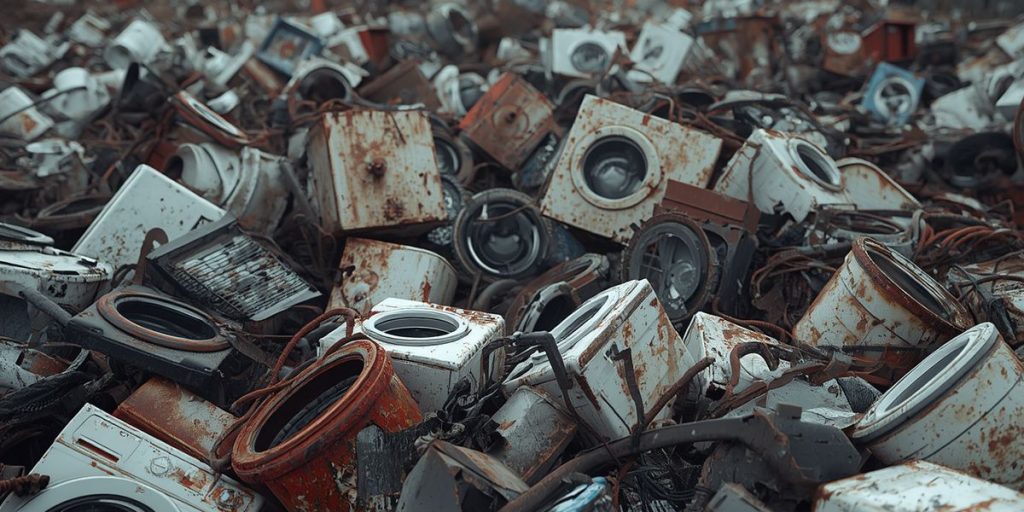
Washing machine scrap is one of the most overlooked sources of steady metal revenue for appliance repair shops, property managers, contractors, and small recycling businesses. A single machine carries roughly 75 to 90 pounds of steel, copper, and aluminum that buyers pay for by weight. Business owners keep asking the same thing: where can you sell metal from old appliances without losing money to low offers, hidden fees, or slow payment? This guide breaks down what is inside, what it is worth, and how to get paid fairly.
How Much Metal Is Inside Washing Machine Scrap?
A standard washer holds about 75 to 90 pounds of recoverable metal, roughly 50 to 60 percent of its weight. Most is steel from the drum, casing, and frame, plus one to two pounds of copper and two to five pounds of aluminum. That makes washing machines scrap steel-heavy with a small, valuable copper core.
Understanding what you are selling is the first step to pricing it correctly. According to ScrapGo’s breakdown of a typical 150-pound residential machine, steel accounts for 50 to 80 pounds, copper for 1 to 2 pounds, aluminum for 2 to 5 pounds, and brass or zinc for under a pound. Steel sits in the drum, outer casing, and frame, which is why it dominates the weight of any load of washing machine scrap.
The machine type changes the numbers. Compact and stackable units usually contain 45 to 65 pounds of metal, standard top-loaders 75 to 95 pounds, front-loaders 85 to 110 pounds, and commercial units more than 130 pounds. Front-loaders run heavier because of their reinforced drum assemblies. The copper lives in the motor, so knowing what copper motor windings are worth can decide whether you pull the motor before the machine goes on the scale.
Plastic panels, rubber hoses, gaskets, and electronic boards make up the rest of the machine. They carry little or no scrap value, but removing them gets you closer to a clean metal rate.
What Is Washing Machine Scrap Worth at a Scrap Yard?
Washing machine scrap is paid by weight and grade, so the total depends on how much steel, copper, and aluminum you deliver and on current market prices. Steel makes up most of the weight and pays the least per pound, while copper and aluminum lift the total. Per machine the payout is modest; per truckload it adds up.
Scrap yards price steel, copper, and aluminum separately, and the gap between them is large. Steel is the bulk commodity that fills the scale, copper typically pays many times more per pound, and aluminum falls in between. That is why one machine rarely produces a big check, while a trailer of machines can. For a deeper look at per-pound economics, our guide to washing machine scrap value walks through what businesses can actually earn.
Market timing matters too. Scrap prices move with global demand, energy costs, and supply, so a quote that looks strong today may drift next month. Treat washing machine scrap like any commodity: check the quote the day you sell, not the day you collect. Comparing which scrap metal pays the most also helps you decide whether sorting out copper and aluminum is worth the labor at your volume.
Where Can You Sell Metal From Old Washing Machines?
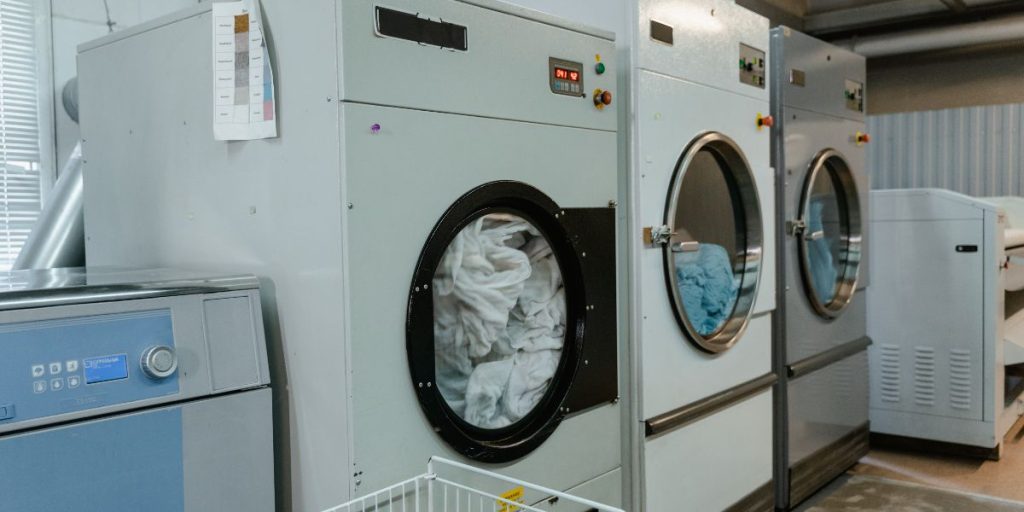
Where can you sell metal from old washers? Local scrap yards, appliance recyclers, municipal drop-off programs, and online scrap marketplaces all buy or accept it. Yards offer fast cash, while marketplaces such as ScrapGo let businesses compare verified buyers and sell larger volumes with more leverage. The best choice depends on your volume, location, and payment timing.
For most sellers, where you can sell metal comes down to four realistic options. Local scrap yards are the fastest: you drive in, weigh out, and usually leave with payment the same day. Appliance recyclers and retailer take-back programs often accept machines but may pay little or nothing, since they focus on disposal rather than metal value. Municipal drop-off sites keep heavy material out of landfills but rarely pay at all.
Online marketplaces change the math for businesses. Instead of accepting whatever the nearest yard offers, you can list your material, compare verified buyers, and sell larger volumes under transparent terms. ScrapGo connects sellers with buyers nationwide, so a contractor with a dozen washers or a property manager clearing a building is not limited to a single local quote.
Whatever route you choose, ask the same questions. How is the load weighed? Are there deductions for non-metal parts? When is payment issued? A buyer who answers clearly is usually a buyer who pays fairly.
How Should You Prepare Washing Machine Scrap Before You Sell?
Washing machine scrap sells best when it is drained, stripped of plastic and rubber, and sorted by metal type. Pull out the copper motor if you can do so safely, keep steel and aluminum separate, and confirm the buyer’s weighing and payment terms before loading. Clean, sorted loads earn higher grades than mixed appliance scrap.
Start by disconnecting the machine from power and water, draining any remaining liquid, and removing hoses, plastic panels, and the control board. These parts add weight without adding metal value, and some buyers deduct for them. Then decide whether to pull the motor. A motor with intact copper windings can be sold separately or kept in its own container, which protects the copper from being priced as mixed steel.
Sorting takes discipline but pays back. If you want a starting point for splitting material by type, this guide on how to separate scrap metal explains the basic approach. Keep loads clean and dry, and photograph what you are selling so any dispute over weight or grade can be settled with evidence. Many yards also ask for ID and paperwork, so bring both.
Why Does Recycling Washing Machine Scrap Matter?
Recycling washing machine scrap keeps heavy metal out of landfills and cuts the energy and raw materials needed to make new steel. According to the U.S. EPA, roughly 90 percent of steel in appliances is already recycled, so established buyer networks exist and sellers have real negotiating options.
The environmental case is also a business case, because it explains why buyers compete for this material. The Steel Recycling Institute reports that recycling one ton of steel conserves about 2,500 pounds of iron ore, 1,400 pounds of coal, and 120 pounds of limestone. Since steel is the dominant metal in appliances, every ton of washing machine scrap you divert supports that saving.
Copper tells a similar story. The Copper Alliance notes that copper can be recycled repeatedly without losing performance, and recycled material supplies roughly one third of global copper demand. Strong, steady demand for recycled metal keeps yards and processors bidding for appliance loads, which is why sellers who document and sort their material are in a better position to negotiate.
The Bottom Line: Turning Old Washers Into Steady Revenue
Washing machine scrap is worth collecting because each machine delivers 75 to 90 pounds of sellable metal, and the right buyer decides how much of that value you keep. Prepare loads carefully, compare options before accepting an offer, and sell where pricing, weighing, and payment are transparent.
Selling well is mostly about preparation and choosing the right counterpart. Know what is inside the machine, sort the copper and aluminum when your volume justifies it, and check the price on the day you sell. If you are still asking where you can sell metal for fair weights and prompt payment, compare a local yard against a verified marketplace such as ScrapGo before you load the truck. Ready to turn a garage full of old washers into revenue? Contact the ScrapGo team to list your material and connect with verified buyers.
Ready to Turn Old Washers Into Cash?
List your scrap on ScrapGo, compare verified buyers, and get paid on clear, transparent terms.
Frequently Asked Questions
Specialized truck buyers and recyclers usually pay the most for non-running trucks because they value the scrap metal and resalable components, while dealers often decline or heavily discount them.
The best way to sell a semi truck quickly is to prepare your title and photos, request quotes from several buyers, and choose one offering free towing and payment at pickup.
Offers vary widely based on weight, condition, parts demand, and metal prices. Running trucks can bring resale value, while non-running units are typically priced by scrap weight plus salvageable components.
In most cases, yes. A clean title speeds up the sale and improves your offer. Requirements vary by state, so confirm documentation rules with your buyer before pickup.
Dealers pay more for running, resale-ready trucks. Scrap and specialized buyers pay more for damaged, non-running, or very old trucks. Compare both before deciding.
Many do, but not all. Confirm that towing is free and not deducted from your payout, and get the pickup terms in writing before agreeing.