


Washing machine scrap value is small on a single unit but adds up quickly for businesses that retire appliances in volume. Property managers, appliance retailers, repair shops, and demolition contractors all end up with dead washers, and what each one returns depends on weight, metal content, and the buyer you choose. This guide explains what a washer is worth, which metals drive the payout, and how scrap yards pay you, so you can estimate a load before it leaves your site.
What Is the Washing Machine Scrap Value for a Business?
The washing machine scrap value of a typical household unit is a modest per-unit payout, often in the low double digits, because most of the weight is ordinary steel. Value rises with volume, clean preparation, and recovered motors or stainless drums. Exact figures move with market prices, so always confirm a current quote.
A standard residential washer weighs roughly 130 to 200 pounds, and the vast majority of that weight is steel. Because ferrous scrap sells at a lower rate per pound than copper or stainless, one machine rarely returns a large amount. Here is a simple illustration, not a quote: if a yard pays $0.08 per pound for clean appliance steel, a 150-pound washer returns about $12. A property management company clearing 200 machines from a renovation program would see roughly $2,400 from the same material, before any extra payout for recovered motors.
The business case therefore rests on scale and efficiency rather than on any single machine. Hauling cost, labor, and storage time can erase the margin on one appliance, which is why consolidated loads and free pickup arrangements matter. Washing machine scrap value is best measured per load, not per unit. It also helps to remember the market you are selling into. The Recycled Materials Association (ReMA) reported in its 2026 Economic Impact Study that the U.S. recycling industry generates $184 billion in annual economic activity and supports more than 603,000 jobs. Buyers operate in a deep, competitive market, and sellers who treat appliance scrap as a managed revenue stream, not a disposal chore, tend to capture more of it.
Which Metals Inside a Washing Machine Determine Its Value?
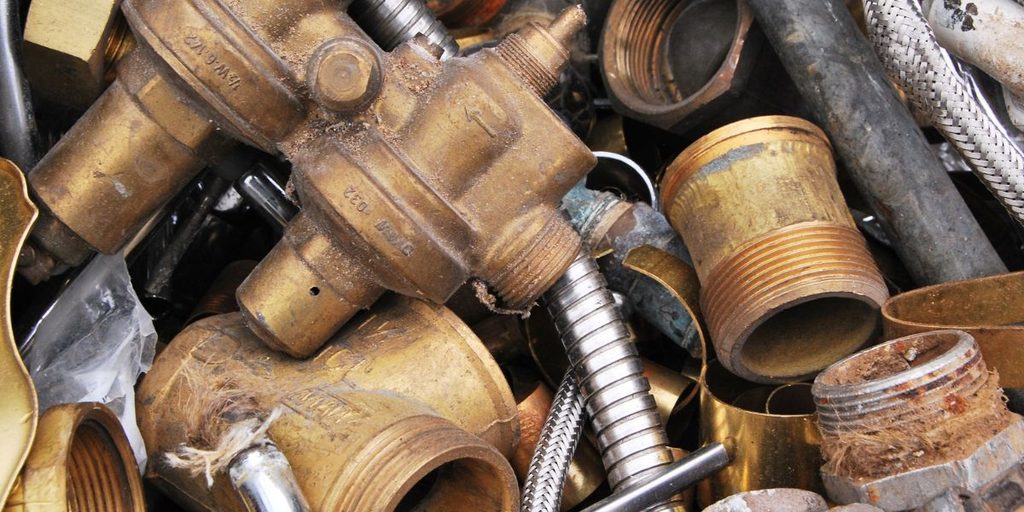
Most of a washing machine is steel, found in the outer cabinet, frame, and often the tub, while the motor adds copper windings and aluminum parts. Stainless steel drums command better pricing than painted or enameled steel. Knowing the metal mix lets sellers decide whether to sell whole units or strip valuable components first.
Steel Cabinets and Drums
The cabinet, frame, and outer tub in most models are painted or enameled steel, sold as appliance or shred-grade scrap. Some machines, especially commercial and higher-end units, use stainless steel drums, which earn a noticeably higher rate per pound than carbon steel. Sorting stainless from painted steel before sale is one of the simplest ways to protect washing machine scrap value, and it costs only a few minutes per unit.
Motors, Wiring, and Aluminum Components
The drive motor carries copper windings, and some units include aluminum housings, pumps, or brackets. Copper is the most valuable metal in the machine by weight, although a washer holds only a small amount in its motor and wiring harness. Yards price whole motors differently from stripped copper, so ask whether your buyer pays a premium for components your crew pulls and sorts. Our guide to ferrous and nonferrous pricing explains why your scrap mix affects revenue so strongly.
How Do Scrap Yards Pay You for Appliance Scrap?
When businesses ask how scrap yards pay you, the answer is by weight, at the posted rate for each grade, settled after the load is weighed and inspected. Payment arrives by check, bank transfer, or, where local law allows, cash. Documentation requirements vary by state, so confirm terms before delivery.
The process is straightforward. Your load crosses a certified scale, an inspector grades the material, and the yard applies its rate for each grade, minus any deduction for non-metal contamination such as plastic, rubber, or residual water. Our breakdown of how do scrap yards pay you walks through why cash has long been common in the trade and what that means for business sellers today.
Business sellers generally prefer traceable payment, meaning check or electronic transfer, because it simplifies bookkeeping and audits. Many states restrict cash payments for certain scrap transactions or require seller identification and transaction records, so confirm the rules where you operate. Payment timing also varies. Some yards pay on the spot, while others settle on net terms for contracted volume, which affects cash flow when you are clearing a large inventory.
Understanding how scrap yards pay you also means asking about scale certification, grading transparency, and deduction policies before the first delivery. A buyer that shows its rate sheet and explains each deduction is far easier to compare than one that quotes a single blended number. Request a written breakdown of weight, grade, and rate on every ticket so your records match what you were paid.
How Can Businesses Raise Washing Machine Scrap Value Before Selling?
Businesses raise washing machine scrap value by sorting metals, removing plastic and rubber, selling in consolidated loads, and comparing buyers on grade rates and payment terms. Preparation reduces deductions, and larger volumes justify free pickup. Timing a sale around stronger market pricing can add further return.
Preparation is the lowest-cost improvement available. Drain the machines, remove hoses, plastic lids, rubber seals, and any concrete counterweights, which add weight but no metal value. Pull the motor and cut the power cord if your buyer pays more for sorted copper and aluminum. Our checklist on how to prepare a scrap load for pickup covers the loading and documentation details that prevent delays and deductions at the scale.
Logistics come next. A single washer is rarely worth a dedicated trip, but a pallet-ready load of thirty or more units often qualifies for commercial scrap metal pickup, which removes your hauling cost and shortens storage time. When a buyer collects from your dock, washing machine scrap value reaches you almost untouched by transport expense.
Finally, pay attention to the market itself. Prices shift with commodity demand, mill buying, and freight costs, so it helps to understand how scrap metal prices are determined before you decide when to sell. Demand for ferrous scrap has been durable. ReMA’s 2026 study found that roughly 77 percent of processed recycled material is used in U.S. manufacturing, and ReMA notes that manufacturing with recycled inputs can cut energy use by up to 90 percent compared with virgin resources. Those economics support steady mill demand, which gives sellers room to negotiate rates.
Final Takeaways for Business Sellers
Washing machine scrap value rewards preparation and volume. A single unit returns a modest payout, but sorted, consolidated loads sold to a transparent buyer produce reliable recovery revenue. Businesses should confirm current rates, understand payment terms, and weigh pickup options before committing a load.
The practical path is consistent across industries. Estimate the weight of your inventory, separate stainless and motors where it pays, ask each buyer how it grades and pays, and compare written quotes rather than verbal estimates. Sellers who follow that routine protect their margin on every appliance cleared, whether it is twenty machines from a single renovation or hundreds across a property portfolio. Businesses ready to sell can request a quote through Scrapgo and compare terms before the next load leaves the site.
Frequently Asked Questions
Most household units bring a modest payout, often in the low double digits, based on weight and current steel rates. Washing machine scrap value rises with stainless drums, recovered motors, and bulk loads.
Yards weigh and grade the load, then pay the posted rate per pound by check, bank transfer, or cash where state law permits. Terms and documentation vary by buyer.
Mostly steel in the cabinet, frame, and tub, plus copper in the motor and wiring and some aluminum components. Certain models use stainless steel drums, which pay more than painted steel.
Removing the motor, cords, and non-metal parts can lift your payout and avoid deductions, but the extra labor only pays off at volume. Ask your buyer whether it pays a premium for sorted components.
Yes. Bulk loads spread hauling and labor costs across many units, qualify for pickup service, and give you leverage to negotiate better rates than single-unit drop-offs.
Yes. Scrap prices move with commodity markets, mill demand, and freight costs, so washing machine scrap value can shift between weeks. Request a current quote before every sale.