

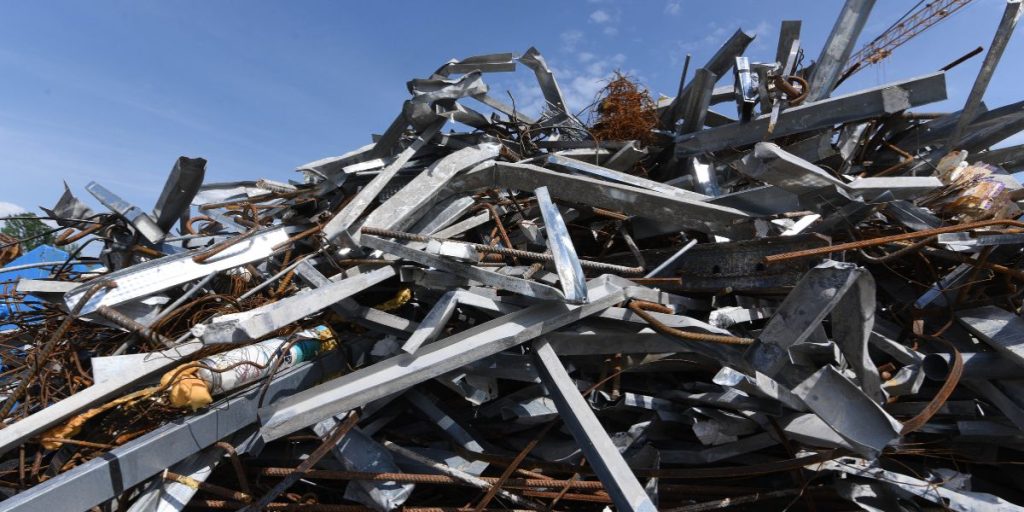
Scrap metal recycling pays very differently depending on what you sell. For companies moving tonnage every month, that gap decides whether a load is a rounding error or a real revenue line. Copper, brass and stainless steel sit at the top of the price list, while steel and iron pay pennies per pound and make up for it in volume. This guide ranks the metals that pay the most, explains why grade changes your payout, and shows where businesses can turn mixed scrap into dependable cash.
Which Scrap Metals Pay the Most Per Pound?
Copper pays the most among common scrap metals, with bare bright copper bringing roughly $5.07 to $5.59 per pound in early October 2026. Brass and bronze follow at about $2.66 to $3.25, then stainless steel, aluminum, and finally steel and iron at pennies per pound. Exact payouts depend on grade, cleanliness, and volume.
Anyone running a scrap metal recycling operation should start with copper, because it is the one metal where a single pallet can change the week. According to MetalCharts, COMEX copper traded at $6.49 per pound on October 3, 2026, and yards typically pay a share of that benchmark. That is how clean bare bright copper lands in the $5 range. Insulated wire pays less because the yard has to account for the plastic jacket. Rockaway Recycling’s posted board, for example, listed a clean aluminum-copper coil at $2.65 per pound on October 5, 2026. The way buyers grade wire is explained in our copper wire scrap grading and bulk selling guide.
Brass and bronze are the next tier. Based on the same MetalCharts snapshot, yellow brass runs about $2.66 to $3.25 per pound, and red brass or bronze with 85 percent or more copper can reach $3.05 to $4.03. These metals come from valves, fittings, bearings and plumbing hardware that facilities replace in bulk. That makes them an overlooked source of revenue for maintenance and demolition teams.
Stainless steel is a solid mid-tier earner. Central Metal Recycling in Chicago listed 304 stainless at $0.44 per pound in early October 2026, and higher-nickel grades such as 316 generally price above that. Aluminum cans bring $0.51 to $0.62 per pound, while steel pays only 4 to 13 cents. Steel’s low rate is no reason to ignore it, since one truckload weighs tens of thousands of pounds and still produces a meaningful check.
Treat every number here as a snapshot. Posted rates differ by region and by yard. Central Metal Recycling paid $5.10 per pound for bare bright copper the same week, so confirm a current quote before committing a load. Our existing guide on which scrap metal pays the most covers the basics. This article focuses on how companies should price and sell at volume.
What Makes One Load of Scrap Worth More Than Another?
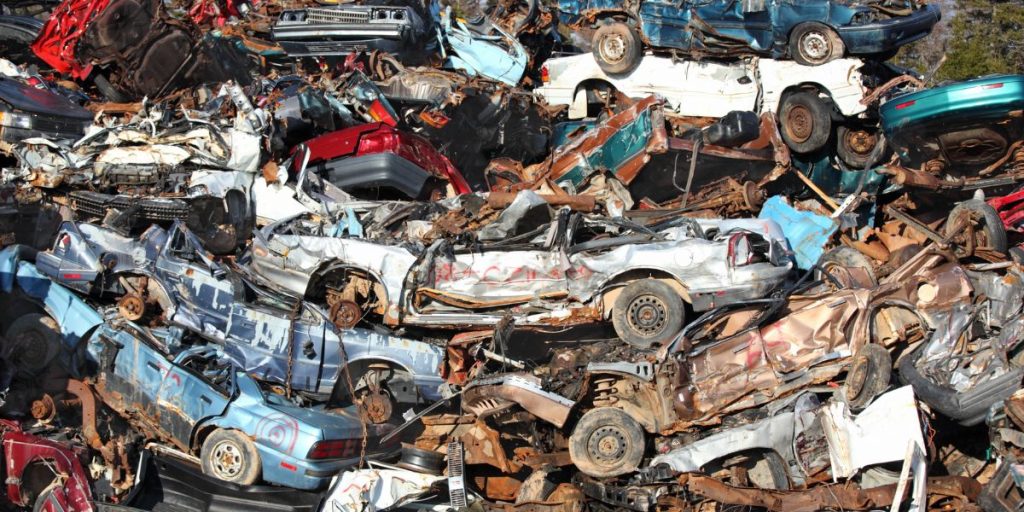
Grade, cleanliness, and metal type determine most of a load’s value. Clean, uncontaminated, single-metal scrap meets buyer specifications and earns near-top pricing, while mixed or contaminated material is downgraded. Separating ferrous from nonferrous metals and removing insulation, steel attachments, and dirt are the fastest ways to raise your per-pound payout.
The biggest swing in scrap metal recycling revenue usually comes from how a company sorts its material, not from the market itself. Ferrous metals contain iron and stick to a magnet, and nonferrous metals such as copper, aluminum, brass and stainless do not. Because nonferrous metals command far higher prices, mixing them into a steel pile means the whole pile is paid at the lowest rate. Our article on ferrous vs nonferrous pricing shows how your scrap mix directly affects revenue.
Cleanliness matters even within a single metal. Rockaway Recycling lists clean aluminum rims at $0.90 per pound and dirty rims at $0.85. The gap looks small per pound, but it compounds quickly across a full pallet or a container. The same logic applies to copper with solder attached, brass with steel fittings still threaded in, and wire that has not been stripped. Buyers follow recognized specifications from the Institute of Scrap Recycling Industries (now ReMA), and anything that falls outside those definitions is repriced to a lower grade.
A practical routine helps. Keep metals in separate, labeled containers from the moment they come off the job. Remove plastic, rubber, and steel attachments before they reach the yard. Photograph loads before pickup so weights and grades can be verified later. These habits cost little and protect the premium that clean material earns.
When Is the Best Time to Sell Scrap Metal?
The best time to sell is when benchmark prices are strong and your material is already sorted, since scrap prices follow commodity markets and can move daily. Companies that track the copper and aluminum benchmarks, lock in contracts for recurring volumes, and avoid letting inventory sit in the yard usually capture higher average returns.
Understanding the link between benchmarks and yard payouts takes the guesswork out of timing. With COMEX copper at $6.49 per pound, bare bright copper paid about $5.07 to $5.59, which is roughly 78 to 86 percent of the benchmark. MetalCharts also reports that aluminum cans bring about 36 to 44 percent of the LME aluminum price. When the underlying benchmark rises, posted scrap prices usually follow within days. Our daily breakdown in scrap metal prices today shows what businesses can expect to receive.
For companies, the real lesson is that scrap metal recycling revenue improves when selling is planned, not reactive. Material that sits in a yard ties up space and cash, and it can lose value if the market dips before it moves. A steady pickup schedule smooths out price swings, because you sell a little at many price points instead of everything at one unlucky moment. Businesses with predictable monthly volume, such as manufacturers, fleet operators, and property managers, often get the best results by agreeing on pricing formulas with a buyer in advance rather than negotiating every load.
Where Can You Sell Metal for the Best Return?
Companies can sell metal to local scrap yards, direct to mills and processors, or through an online scrap marketplace. Yards offer speed, mills offer volume pricing, and a marketplace like ScrapGo connects sellers with multiple verified buyers so you can compare offers instead of accepting the first quote.
The question of where you can sell metal has a different answer for a homeowner and for a business. A local yard is convenient for small, mixed loads, but its price reflects one buyer’s needs on one day. Mills and large processors pay well for consistent, high-volume streams, though they often require minimum quantities and strict specifications. Our guide on how to sell scrap metal walks through each route step by step.
Scrap is also a serious business. The Recycled Materials Association (ReMA) estimates that the U.S. recycling industry generates $184 billion in annual economic activity and that manufacturing with recycled inputs can cut energy use by up to 90 percent compared with virgin materials. That demand is why buyers compete for good scrap, and it is the reason sellers should not accept a single quote without comparing alternatives.
This is where a digital marketplace changes the math. ScrapGo’s marketplace connects industrial sellers with a wider network of verified buyers, gives sellers better visibility into prevailing prices, and pairs trading with scrap hauling so material moves without delays. Companies asking where you can sell metal at scale benefit most from this kind of access. They can list sorted material, compare offers on the same grade, and schedule pickup through one platform rather than calling yard after yard. Businesses with end-of-life vehicles can also use ScrapGo’s crushed car and commercial truck salvage services alongside their metal sales.
Before choosing any buyer, ask four questions. Do they publish or confirm pricing by grade? How do they weigh and document loads? How fast do they pay? Do they offer pickup? A buyer who answers all four clearly is usually worth more than one who quotes a slightly higher number but cannot explain how it was reached.
Conclusion
Copper, brass and bronze, and stainless steel pay the most per pound, and aluminum and steel earn their keep through volume. The metal matters, but grade, cleanliness, timing and buyer choice decide how much of the market price ends up in your account.
For companies, scrap metal recycling works best as a managed process. Sort material at the source, track the benchmarks that drive posted prices, sell on a steady schedule, and compare more than one buyer. If you are still working out where you can sell metal for the best return, a marketplace built for business sellers gives you wider reach, clearer pricing, and hauling support in one place. Explore ScrapGo to list your material and see what the market will pay.
Frequently Asked Questions
Copper pays the most among common scrap metals, with clean bare bright copper bringing roughly $5.07 to $5.59 per pound in early October 2026, followed by brass, bronze, and stainless steel.
Yes. Yellow brass pays about $2.66 to $3.25 per pound, while aluminum cans bring roughly $0.51 to $0.62. Brass is a copper alloy, so yards pay several times more per pound.
Yards price by grade, cleanliness, volume, and local demand, then subtract their processing and shipping costs from the benchmark. Regional competition also matters, so quotes for identical material can vary noticeably from yard to yard.
Companies can sell large volumes to scrap yards, mills, processors, or an online marketplace like ScrapGo that connects sellers with multiple verified buyers and supports hauling, so you can compare offers before committing.
Sort ferrous from nonferrous, remove insulation and attachments, keep loads clean and dry, track benchmark prices, and compare multiple buyer quotes. Clean, single-grade material consistently earns the highest per-pound payout.
Prices follow commodity markets such as COMEX copper and LME aluminum and can move daily. Yards update posted rates frequently, so confirm a quote on the day you sell.