

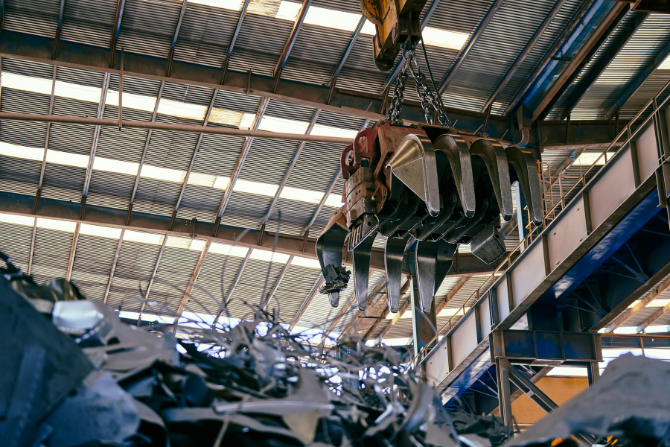
The industrial recycling sector is evolving rapidly as businesses look for faster, smarter, and more transparent ways to manage recyclable materials. From manufacturers and demolition contractors to fleet operators and processors, companies today require efficient systems that simplify buying, selling, and transporting scrap materials. This growing demand has increased the importance of a reliable scrap marketplace that connects industrial sellers and buyers in one streamlined platform.
Digital solutions are transforming how recycling businesses operate. Instead of relying only on traditional local networks, companies can now expand their reach, improve pricing visibility, and simplify logistics through online marketplaces like ScrapGo. These platforms help industrial businesses manage materials more efficiently while reducing delays and operational challenges.

The Growing Need for a Digital Scrap Marketplace
Industrial recycling businesses deal with large volumes of metal, machinery, vehicles, and recyclable materials every day. Managing these operations manually can create inefficiencies in pricing, transportation, communication, and inventory handling.
A modern scrap marketplace solves these problems by creating a centralized system where businesses can:
- Connect with verified buyers and sellers
- List available scrap inventory
- Access broader industrial networks
- Improve operational transparency
- Streamline logistics coordination
- Reduce downtime in material movement
For businesses operating a metal scrapyard or industrial recycling facility, digital marketplaces provide access to more opportunities while helping maintain consistent operations.
How Scrap Marketplace Platforms Improve Industrial Recycling
Traditional recycling transactions often depend on local contacts, outdated pricing methods, and time-consuming communication. Modern platforms simplify these processes through digital tools and organized workflows.
Platforms like ScrapGo Scrap Marketplace help industrial recyclers improve efficiency by creating a structured environment for trading scrap materials.
Better Visibility for Scrap Materials
Industrial recycling companies often handle different grades of metals, surplus materials, and processed scrap. A digital marketplace increases visibility for these materials and helps sellers reach a larger audience of buyers.
This becomes especially valuable for businesses managing:
- Ferrous and non-ferrous metals
- Industrial scrap inventory
- Equipment recycling
- Automotive scrap
- Manufacturing byproducts
- Demolition materials
Instead of relying solely on local demand, businesses can access a wider network of industrial buyers.
Simplified Logistics and Transportation
Transportation is one of the biggest challenges in industrial recycling. Coordinating pickups, hauling schedules, and freight movement can become complicated without proper systems in place.
Solutions like Scrap Hauling Services help businesses improve transportation efficiency and reduce operational delays. Reliable hauling coordination is essential for scrapyards, recycling processors, and industrial facilities dealing with large-scale scrap movement.
Efficient logistics help businesses:
- Reduce storage overload
- Improve turnaround times
- Lower transportation inefficiencies
- Maintain cleaner operations
- Improve customer satisfaction
For every scrapyard, streamlined hauling operations play a major role in maintaining productivity.
Crushed Cars and Automotive Recycling Solutions
Automotive recycling remains one of the largest segments within the industrial recycling industry. Salvage yards, recyclers, and processors regularly manage damaged vehicles, dismantled parts, and processed automotive scrap.
Handling crushed cars efficiently requires reliable transportation, organized transactions, and access to industrial buyers. Platforms like Crushed Cars Solutions help businesses manage these operations more effectively.
Why Crushed Cars Matter in the Recycling Industry
Crushed vehicles provide valuable recyclable metals that can re-enter manufacturing supply chains. Steel, aluminum, copper, and other materials recovered from vehicles contribute significantly to industrial recycling operations.
A strong digital marketplace helps businesses:
- Connect with automotive recyclers
- Coordinate transportation faster
- Improve inventory movement
- Reduce operational bottlenecks
- Increase access to buyers
For industrial recyclers, properly managing crushed cars is critical to maintaining consistent scrap supply and improving operational flow.
Supporting Metal Scrapyard Operations
Running a successful metal scrapyard involves much more than collecting recyclable materials. Businesses must handle inventory organization, transportation coordination, buyer communication, and pricing management simultaneously.
Digital marketplace solutions help scrapyards modernize their operations and improve efficiency in several ways.
Inventory Management
Industrial recycling businesses often process large amounts of material daily. Organized listing systems help scrapyards categorize and manage materials more effectively.
Faster Buyer Connections
Instead of relying only on existing contacts, scrapyards can connect with a larger industrial network. This helps businesses move materials more quickly and maintain better operational consistency.
Improved Business Scalability
As recycling businesses grow, manual processes become harder to manage. Online platforms support scalability by simplifying communication, transactions, and logistics coordination.
For scrapyards handling industrial-level operations, digital systems can reduce administrative workload and improve overall efficiency.
The Role of Transparency in Industrial Recycling
Transparency is becoming increasingly important in the recycling industry. Industrial buyers and sellers want clear communication, organized processes, and reliable transaction management.
A professional scrap marketplace improves transparency by helping businesses:
- Share accurate material information
- Maintain better communication
- Track operational processes
- Improve transaction reliability
- Reduce misunderstandings
Digital systems also help businesses build stronger long-term relationships with suppliers, buyers, and logistics partners.
Why Industrial Businesses Are Adopting Digital Recycling Platforms
The industrial recycling industry is becoming more technology-driven as companies look for smarter operational solutions. Businesses that adopt digital marketplace systems often gain advantages in speed, organization, and efficiency.
Companies using platforms like ScrapGo Industrial Solutions can improve how they manage scrap trading, logistics, and industrial recycling workflows.
The shift toward digital operations is helping businesses:
- Reduce manual coordination
- Improve operational efficiency
- Access broader markets
- Simplify material management
- Strengthen business scalability
Whether managing a scrapyard, handling industrial metals, or transporting crushed cars, digital marketplaces provide practical solutions for modern recycling businesses.
Conclusion
The recycling industry continues to evolve as businesses seek more efficient ways to manage scrap materials, transportation, and industrial transactions. A modern scrap marketplace helps companies streamline operations, improve visibility, and connect with broader industrial networks.
For businesses operating a metal scrapyard, managing crushed cars, or handling large-scale industrial recycling, digital platforms offer significant operational advantages. From logistics coordination to inventory management and buyer connections, online marketplace solutions are helping industrial recyclers modernize and scale more effectively.Platforms like ScrapGo are supporting this transformation by providing businesses with organized, transparent, and scalable recycling solutions tailored for today’s industrial market.