

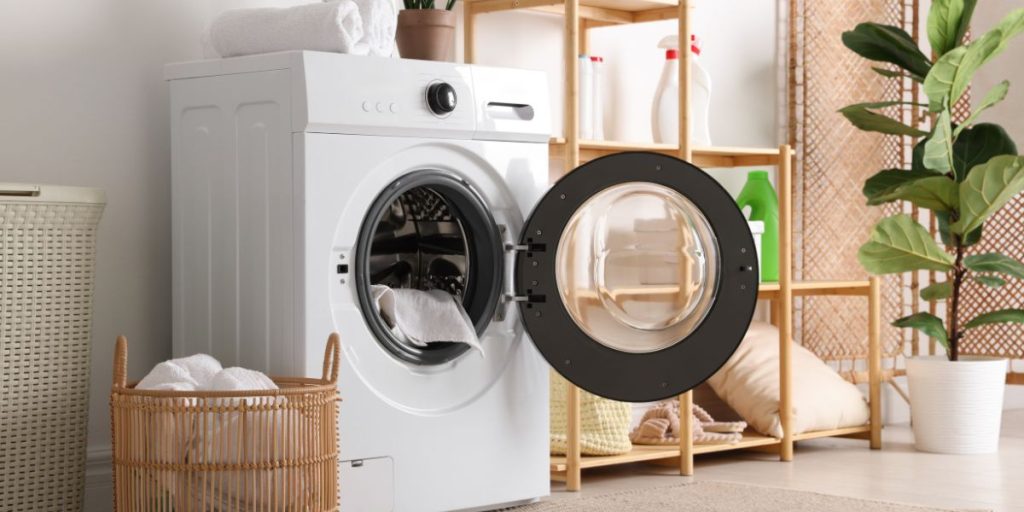
The washing machine scrap price for most households and small businesses lands between $10 and $25 per unit in 2026, and that number surprises almost everyone who asks. A washer is big and heavy, but most of its weight is low-grade steel. This guide gives you the straight answer on how much is a washing machine worth for scrap, shows what moves the payout up or down, and explains when a washer is worth more as a working appliance than as metal. You will also see how professionals sell appliance loads without leaving money on the table.
How Much Is a Washing Machine Worth for Scrap in 2026?
How much is a washing machine worth for scrap? Most scrap yards pay roughly $10 to $25 for a complete household washer in 2026. The payout depends on weight, washer type, and the daily steel rate, because yards are buying mostly low-grade steel. Separating copper and aluminum can add a few dollars per unit.
That range is consistent across published price guides. The iScrap App, which tracks yard pricing, reports that yards typically pay $10 to $20 for a complete washer. Precision Appliance Leasing cites a wider spread of $5 to $40 for a single unit delivered to a yard, with totals climbing only when several appliances or a stainless drum are involved. The reason the numbers stay modest is simple: a washer is mostly painted sheet steel, which is the cheapest scrap category and is often priced at only a few cents per pound.
If you want a deeper, per-pound view of the current washing machine scrap price, ScrapGo publishes a full yard-by-yard breakdown.Treat every figure here as a planning range, not a quote. Scrap prices move daily, so the number you hear on Monday may not match Friday, and a quick call to your buyer before loading the truck is always worth five minutes.
What Metals Inside a Washer Decide Its Scrap Value?
A washer’s scrap value comes mainly from steel, which makes up most of its weight, plus small amounts of copper, aluminum, and sometimes stainless steel. Steel sets the base payout, while copper motor windings and aluminum parts add extra dollars per pound when they are sorted and sold separately.
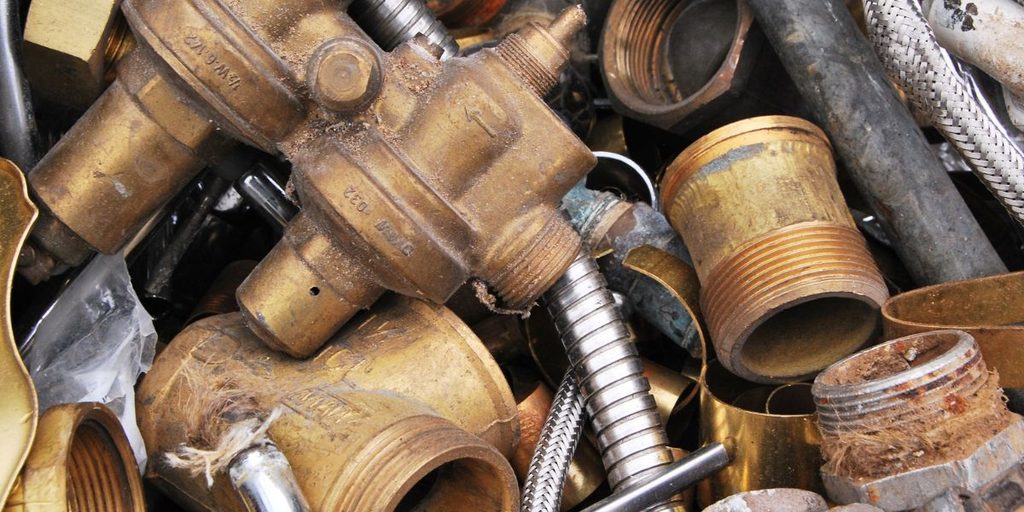
According to a study for the Steel Recycling Institute and the Association of Home Appliance Manufacturers, cited by the American Iron and Steel Institute, a top-load washer contains about 94.5 pounds of steel and a front-load unit about 84.2 pounds. That steel sits in the cabinet, frame, and outer tub, and it earns the lowest rate on the scale. The higher-value metals are scarce by comparison. ScrapGo’s breakdown of a typical 150-pound residential machine shows roughly 1 to 2 pounds of copper, 2 to 5 pounds of aluminum, and under a pound of brass or zinc.
This is the core reason how much a washing machine worth for scrap never has a dramatic answer. Copper pays many times more per pound than steel, but a pound or two of it adds only a few dollars. For a full material-by-material look at what each unit holds, see our guide on how much scrap metal is in a washing machine.
How Do Washer Type and Weight Change the Payout?
Washer type and weight change the payout because yards pay by the pound. Heavier front-loaders, older top-loaders, and commercial machines carry more steel and usually earn more than compact or stackable units. Multiply the machine’s steel weight by your yard’s light iron rate to estimate a realistic floor for the washing machine scrap price.
Here is a simple illustration. A 150-pound washer priced at $0.08 per pound would bring about $12 before any deductions, which matches the $10 to $20 range most price guides report. Compact stackable units weigh far less and pay accordingly, while commercial and coin-operated machines often hold more stainless steel and heavier motors. That is one reason laundromat owners and property managers tend to see better returns than households.
Condition and construction matter too. Many older top-load washers contain concrete counterweights, and some yards deduct for them, so ask before you weigh. Plastic panels, rubber hoses, and loose trash can also trigger a lower grade. Cleaning a unit up before delivery will not change the metal market, but it keeps you from losing money on avoidable deductions when you ask how much is a washing machine worth for scrap at the scale.
Should You Scrap a Working Washer or Strip It for Parts First?
Scrap a washer whole when speed matters and strip it only when you have time and several units. Whole machines are paid at the lowest steel rate, while pulling the motor, wiring, and aluminum can lift the total by a few dollars. For one machine, the extra labor rarely pays.
Dismantling usually takes 30 to 90 minutes per machine for a trained person, according to Precision Appliance Leasing, and that time has a real cost. A stripped unit tends to land in the $15 to $30 range, so the gain over a whole-unit sale is small. Stripping makes sense mainly for repair shops, appliance resellers, and property managers who already have tools, a sorting area, and a steady flow of machines. If you do separate parts, keep copper, aluminum, and stainless in labeled containers, because mixed buckets are priced at the lowest grade. Always disconnect power and drain the unit before any cutting or lifting.
The most overlooked step is testing the machine first. Working washers commonly resell for $50 to $200, which is many times the typical washing machine scrap price. A functioning unit is worth listing, donating, or selling to a refurbisher before you consider the scale.
Got old washers? Find out what they’re really worth.
List your appliance scrap on ScrapGo, compare buyers, and get paid on clear terms.
Where Can Businesses Get the Best Payout for Washer Scrap?
Businesses get the best payout by comparing two or three buyers, selling appliances in bulk, and keeping metals sorted. Local yards offer same-day cash, while an online marketplace lets you compare verified buyers and negotiate on larger volumes. Consistent, clean loads give you leverage that a single washer never will.
Bundling is the most reliable lever. One washer rarely covers fuel and time, but a truckload that includes dryers, water heaters, and other appliance scrap can. Precision Appliance Leasing notes that private junk removal for a single appliance often costs $60 to $225, which shows how quickly hauling costs can erase the value of a lone unit. Ask each buyer whether they pay per unit or per pound, whether they deduct for concrete or plastic, and whether they offer pickup for larger loads.
If you handle appliances regularly, it pays to look at where to sell scrap metal beyond the nearest yard. A marketplace such as ScrapGo connects sellers with buyers nationwide, so a contractor with a dozen washers or a property manager clearing a building is not limited to a single local quote. That competition is what protects your washing machine scrap price from low offers.
Final Takeaway: Is Scrapping a Washer Worth It?
Scrapping a washer is worth it when the machine is broken, you are already hauling other metal, or you handle appliances in volume. For a single working unit, resale or donation beats scrap. Plan on roughly $10 to $25 per washer and expect the figure to shift with the market.
The numbers tell a clear story. Steel is plentiful in a washer but cheap, and copper and aluminum are valuable but scarce by weight. So the answer to how much is a washing machine worth for scrap stays modest for any single unit, and your real gains come from avoiding mistakes: scrapping a working machine, hauling concrete the yard will not pay for, or driving to a yard without checking rates.
The environmental value is real even when the payout is small. The Steel Recycling Institute reports that recycling one ton of steel conserves about 2,500 pounds of iron ore, 1,400 pounds of coal, and 120 pounds of limestone, and the American Iron and Steel Institute reports that roughly 90 percent of appliances in the United States were recycled as of its 2008 figure. Whether you earn $10 or $40, recycling the machine properly is the right outcome. For businesses, the opportunity is turning scattered appliance scrap into a consistent, well-priced stream. Compare buyers and sell with confidence at ScrapGo, and check your washing machine scrap price against more than one quote before you load.
FREQUENTLY ASKED QUESTIONS
Most scrap yards pay about $10 to $25 for a complete household washer in 2026. The exact amount depends on the machine’s weight, current steel prices, and whether the yard pays per unit or per pound.
Whole washers are usually priced as light iron, at roughly a few cents to about 12 cents per pound. Copper and aluminum earn much higher per-pound rates when separated from the steel.
Usually not. A working washer often resells for $50 to $200, while scrap pays around $10 to $25. Test the machine first and sell or donate it if it runs.
The motor with copper windings, wiring, aluminum brackets, and any stainless steel drum pay more per pound than painted steel panels. Together they typically add only a few dollars per machine.
Some do. Many top-load washers contain concrete counterweights, so ask your yard before weighing whether it deducts for them, and remove them only if the yard will not pay for that weight.
Yes. Property managers, repair shops, and resellers can negotiate better rates with larger, sorted loads and scheduled pickups, which also lowers the hauling cost per unit.