

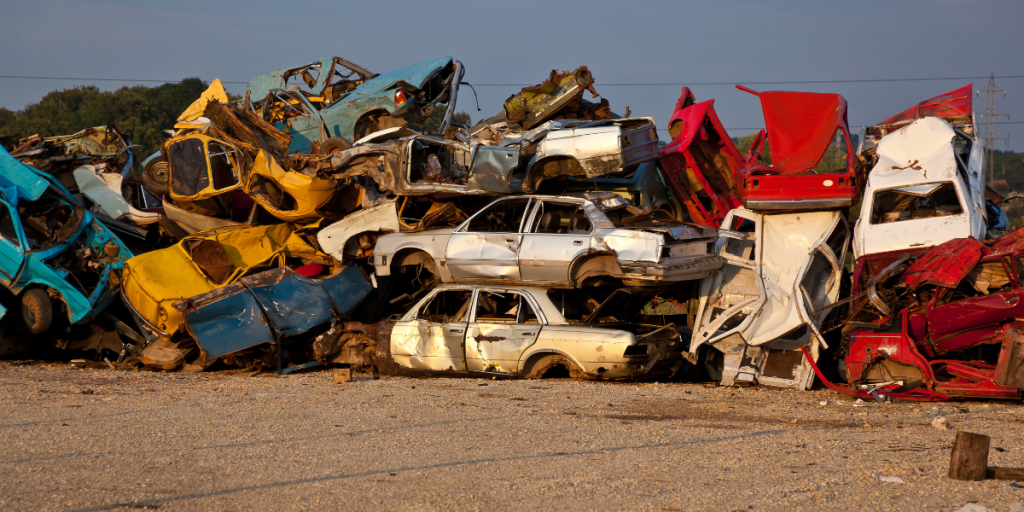
Every year, thousands of businesses from auto dealerships to logistics fleets sit on aging vehicles that cost more to maintain than they’re worth. If you’re ready to sell junk car inventory and turn dead weight into working capital, the process doesn’t have to be complicated. This guide walks business owners, fleet managers, and dealership operators through exactly how to liquidate junk vehicles and scrap metal efficiently, what determines your payout, and how to avoid the common mistakes that cost sellers money.
Why Businesses Choose to Sell Junk Cars Instead of Storing Them
Holding onto a non-running vehicle drains resources through storage fees, insurance, and depreciation, while the vehicle itself continues losing scrap value. Businesses that sell junk car assets promptly convert idle liabilities into immediate cash, freeing up yard space and eliminating ongoing carrying costs tied to vehicles that will never generate revenue again.
For fleet operators, dealerships, and repair shops, a single junk vehicle can occupy space that could otherwise house inventory or working equipment. Beyond the physical footprint, insurance premiums and property taxes often still apply to non-operational vehicles sitting on a commercial lot. Selling promptly through a dedicated buyer like crushed car buyers also removes liability exposure; an abandoned or leaking vehicle can become a safety or environmental issue if it sits too long.
How Much Can a Business Get When They Sell Junk Car Inventory?
Payout depends on vehicle weight, current scrap metal market prices, and whether reusable parts remain. Businesses typically earn more per vehicle when they sell in bulk, since buyers can streamline pickup logistics and offer volume-based pricing rather than evaluating each car individually.
Steel prices fluctuate weekly based on global demand, which directly affects what a buyer can offer for a vehicle’s scrap weight. A heavier vehicle like a pickup truck or SUV will generally fetch more than a compact sedan, purely because of the raw metal tonnage involved. Businesses that batch-sell multiple vehicles at once, rather than trickling them out one at a time, often negotiate better per-unit rates because it reduces the buyer’s transportation and processing overhead.

What’s the Process for Businesses Selling Junk Metal in Bulk?
Selling junk metal as a business typically involves getting a quote, scheduling pickup or drop-off, and completing title transfer paperwork. Commercial sellers benefit from working with buyers who handle multiple vehicles or large metal loads in a single transaction, reducing administrative overhead compared to individual consumer sales.
For fleets and dealerships offloading several vehicles, the paperwork burden can add up fast if handled one car at a time. Working with a buyer that supports batch processing like selling scrap metal in bulk means one point of contact, one pickup schedule, and consolidated payment rather than juggling multiple individual transactions. This is especially relevant for repair shops and towing companies that accumulate inoperable vehicles as part of normal operations.
Documentation matters more for business sellers than individual consumers. A clean chain of title, proof of ownership for each unit, and accurate vehicle identification numbers speed up the transaction and reduce the risk of payment delays. Businesses that keep this paperwork organized in advance typically close deals faster than those scrambling to locate titles at pickup time.
What Happens to a Vehicle After a Business Sells It for Scrap?
Once sold, vehicles are typically drained of fluids, stripped of reusable parts, and mechanically crushed or shredded for raw material recovery. The recovered steel and other metals re-enter the manufacturing supply chain, meaning the transaction has both a financial and environmental component businesses can factor into sustainability reporting.
According to the Institute of Scrap Recycling Industries, recycled steel from end-of-life vehicles supplies a significant share of the raw material used in new steel production in the U.S. each year. That means every vehicle a business sells for scrap contributes directly to reducing demand for newly mined ore, a detail increasingly relevant for companies tracking ESG or sustainability metrics.
Non-metal components like tires, batteries, and fluids are separated and processed according to environmental regulations before the vehicle body reaches the shredder. Businesses working with a compliant buyer avoid the liability that comes with improper disposal, which can trigger fines under state environmental codes if handled by an unlicensed operator.
How Should a Business Choose a Buyer for Junk Cars and Scrap Metal?
The right buyer offers transparent pricing based on current market rates, handles logistics like towing or pickup, and provides proper documentation for tax and liability purposes. Businesses should avoid buyers who won’t quote a price before pickup or who pressure sellers into same-day decisions without explaining how the offer was calculated.
A report from the Auto Recyclers Association notes that pricing transparency is one of the top factors commercial sellers cite when choosing a vehicle buyer, ahead of even speed of pickup. Business sellers in particular should ask how weight is calculated, whether the quote is locked in before towing, and whether the buyer issues a bill of sale or receipt for accounting purposes.
Reliability also matters for ongoing business relationships. A dealership or fleet manager who regularly needs to sell junk car units benefits from establishing a standing relationship with one buyer, rather than re-negotiating terms every time a vehicle needs to move. Consistent buyers tend to offer more predictable pricing over time and faster turnaround once a relationship is established.
What Documentation Do Businesses Need Before Selling Junk Cars?
Commercial sellers generally need a valid title, business registration or EIN documentation, and a bill of sale for each vehicle transacted. Having this paperwork ready before contacting a buyer speeds up the transaction and ensures the sale is properly recorded for tax and accounting purposes.
Businesses without a clean title common with vehicles acquired through trade-ins, repossessions, or fleet write-offs should confirm with their buyer what alternative documentation is accepted before scheduling pickup. Reputable buyers of junk vehicles for business fleets will typically outline exactly what’s required upfront rather than surprising sellers at the point of pickup.
The Bottom Line for Business Sellers
Turning idle vehicles and scrap metal into cash doesn’t have to eat up weeks of your team’s time. When you’re ready to sell junk car units sitting on your lot, working with a buyer who offers transparent pricing, handles bulk pickups, and processes paperwork efficiently makes the difference between a quick payout and a drawn-out hassle. The same applies when selling junk metal in volume, batching your transactions and keeping documentation ready upfront puts more money in your business’s pocket with less administrative friction. For fleet managers, dealerships, and repair shops alike, a reliable buyer relationship turns a recurring operational headache into a predictable revenue stream.
FREQUENTLY ASKED QUESTIONS
Most businesses can complete a sale within 24-48 hours of requesting a quote, provided title documentation is ready and pickup logistics are confirmed in advance with the buyer.
Yes, bulk sales often earn better per-unit pricing since buyers save on pickup logistics and processing time, making volume deals more efficient for both parties.
Requirements vary by buyer and state, but many accept alternative documentation like a bill of sale or business registration. Confirm accepted paperwork before scheduling pickup.
Proceeds are typically treated as business income and should be reported accordingly. Businesses should consult an accountant for guidance specific to their tax situation.
Price depends primarily on vehicle weight, current scrap steel market rates, and whether usable parts remain. Bulk volume can also improve overall pricing.
Yes, most buyers accommodate multi-vehicle pickups for repair shops, towing companies, and dealerships, consolidating paperwork and payment into a single transaction.