

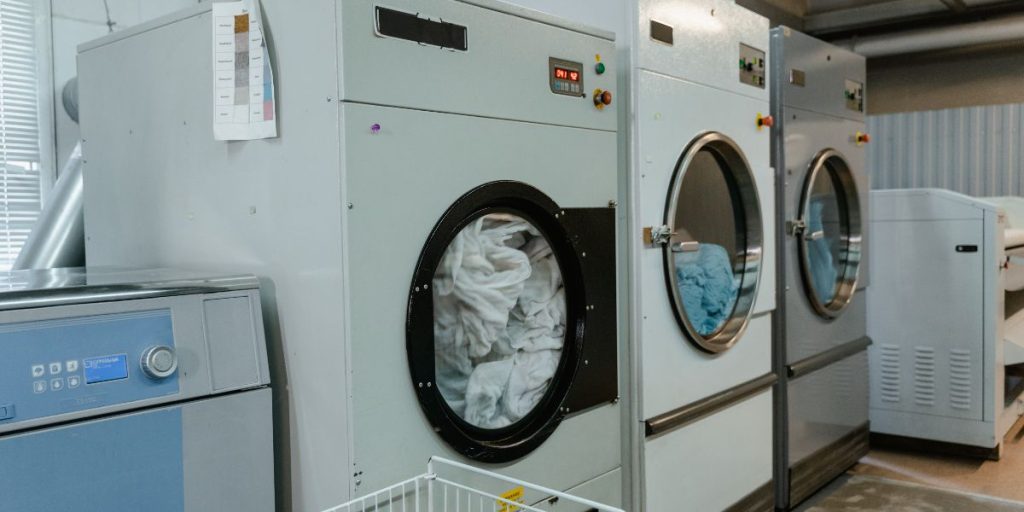
If you’re asking how much copper in a washing machine you can actually recover, the honest answer is: more than most people expect, but far less than the motor alone suggests. A typical residential washer holds copper in its motor windings, wiring harness, and sometimes a small compressor coil, plus steel, aluminum, and stainless drums that add to total washing machine scrap value. This guide breaks down exactly where the copper hides, what it’s worth in today’s market, and how sellers from individual households to businesses clearing out old units can maximize returns.
What Parts of a Washing Machine Contain Copper?
Copper in a washing machine is concentrated almost entirely in the electric motor windings and the internal wiring harness, with a small amount in the water-level sensor coil on older top-load models. A standard motor yields roughly 0.5 to 1.5 pounds of copper wire once stripped, making it the single most valuable component by weight for scrap purposes.
The motor is where most of the recoverable copper lives coiled magnet wire wrapped around a steel core. Beyond the motor, look for:
- Wiring harness thin insulated copper wiring connecting the control board, motor, and pump
- Water-level pressure switch some older units contain a small copper coil
- Solenoid valves inlet valves often have small copper windings inside
Front-load washers with variable-speed direct-drive motors tend to carry more copper than older belt-driven top-load units, since direct-drive motors use larger windings. This matters when you’re trying to estimate how much copper is in a washing machine before deciding whether to strip it yourself or sell the unit whole.
How Much Is the Copper in a Washing Machine Worth?
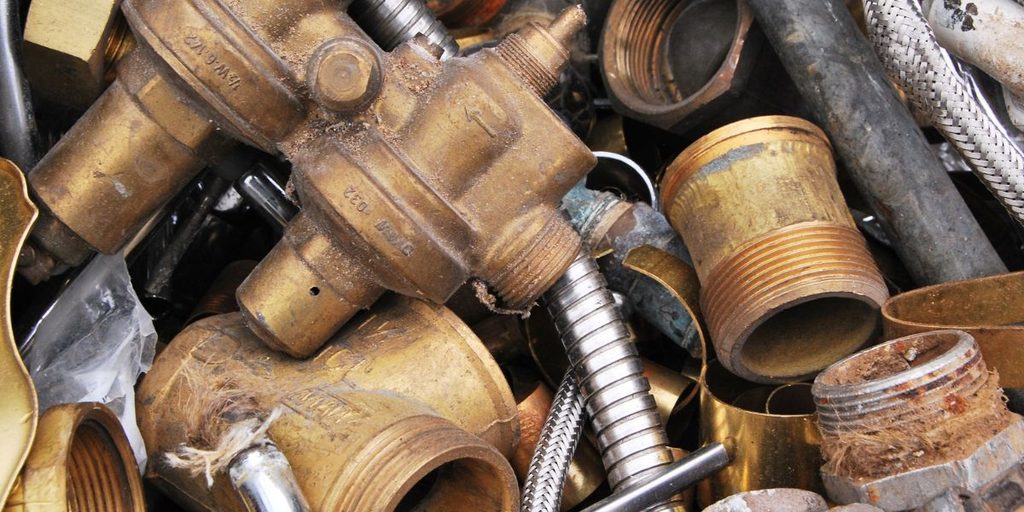
At current scrap rates, the copper recovered from one washing machine motor typically sells for $2 to $6, depending on grade and local pricing, since most washer copper is insulated magnet wire rather than clean bare copper. The bigger value usually comes from combining copper with the machine’s steel and aluminum content rather than copper alone.
According to the Institute of Scrap Recycling Industries (ISRI), insulated copper wire is graded separately from bare bright copper because processors pay less per pound to account for the insulation removed during recycling. That’s an important distinction: motor windings from a washer are insulated copper, not stripped wire, so pricing sits well below the rate quoted for clean copper pipe or bus bar.
Here’s roughly how the value breaks down per unit:
- Copper motor windings $2–$6, depending on motor size and grade
- Steel chassis and drum often the largest weight contributor to overall value
- Stainless steel inner drum (front-loaders) commands a premium over standard steel
- Aluminum components smaller pumps, brackets, and housings
This is why washing machine scrap value is best understood as a whole-unit calculation, not just a copper number and it’s a big reason sellers researching where to sell scrap metal are told to weigh and price the entire appliance rather than a single part.
Is It Worth Stripping the Copper Yourself?
For a single household washer, manually stripping copper rarely pays off once labor time is factored in, since the yield is small and stripping requires disassembly tools. For businesses or haulers processing multiple units, batching the copper extraction across several machines can make the labor worthwhile.
A single motor takes 15 to 30 minutes to extract and strip by hand for an amateur, yielding a few dollars in copper. Scale that across ten or twenty units, though, and the math changes batching turns a marginal task into meaningful volume. Sellers weighing this decision should consider:
- Time cost of disassembly worth more than the whole-unit scrap price?
- Volume one washer vs. a pallet of appliances changes the calculation entirely
- Buyer preference some yards pay a flat rate per appliance regardless of stripping
- Local copper grading insulated wire prices fluctuate more than clean copper
For most individual sellers, selling the washing machine intact is simpler and often nets a comparable return once transport and time are accounted for. Businesses handling appliance volume, on the other hand, may benefit from reviewing how to start a scrap metal business focused on appliance processing, since consistent volume changes what’s profitable.
How Does a Washing Machine Compare to Other Appliances or a Car?
A washing machine typically contains less recoverable copper than a car, which has copper spread across the starter motor, alternator, wiring harness, and radiator. Washers are motor-heavy but wiring-light compared to vehicles, so per-unit copper yield from a washer is smaller, even though washers are easier and faster to disassemble.
The U.S. Geological Survey notes that appliances and electronics collectively represent a growing share of recycled copper feedstock as manufacturers use more copper wiring in motors and controls each year. That trend applies to washing machines too; newer high-efficiency models with electronic controls and variable-speed motors generally contain more copper than older mechanical-timer models.
For comparison, sellers who’ve researched how much scrap metal is in a car know vehicles offer a much larger copper yield per unit because of the sheer amount of wiring involved. Washing machines sit in a middle tier: more copper than a toaster, far less than a vehicle, but still worth factoring into total scrap value when selling in bulk.
Where Should You Sell a Washing Machine for Scrap?
The best return usually comes from selling to a scrap buyer that prices appliances by weight and grade rather than a flat “junk appliance” fee, since washers vary meaningfully in steel and copper content by model and age. Comparing multiple buyers and understanding which metals pay the most helps sellers avoid leaving money on the table.
A few practical steps for getting fair value:
- Weigh the unit before contacting buyers, since most quotes are weight-based
- Note the model type front-load direct-drive units often carry more copper than older top-loaders
- Ask if the buyer separates copper credit from the base appliance price
- Compare local vs. marketplace pricing to avoid underselling in a single-buyer market
According to the Environmental Protection Agency (EPA), Americans discard millions of major appliances annually, and the vast majority of the metal in them is recoverable through recycling rather than landfill disposal which is exactly why appliance scrap has become a steady category for buyers and sellers alike. Sellers curious about which components pay best across appliance categories can also check which scrap metal pays the most before bringing in a full load.
Got an Old Washing Machine Taking Up Space?
Get a fair, weight-based quote for your appliance copper, steel, and all in minutes.
Get Your Free Scrap Quote →Conclusion
So, how much copper in a washing machine actually adds up to? Usually just a few dollars’ worth on its own but combined with the steel, aluminum, and stainless components, a full unit can bring meaningful washing machine scrap value, especially from newer direct-drive models. For individual sellers, selling the appliance whole is often the simplest path to fair value; for businesses handling volume, batching copper extraction can make sense. Whichever route you choose, pricing by weight and grade not a flat fee is the key to getting paid what the metal is actually worth. Ready to sell? Get a quote from ScrapGo today.
Frequently Asked Questions
A typical washing machine motor contains roughly 0.5 to 1.5 pounds of copper wire, depending on motor size and design. Direct-drive front-load motors generally hold more copper than older belt-driven top-load motors.
For a single unit, stripping rarely pays off given the time involved versus the small yield. It becomes worthwhile only when processing multiple units, where labor time is spread across higher total volume.
Total washing machine scrap value, including steel, copper, and aluminum, typically ranges from $10 to $25 per unit depending on weight, model, and local scrap pricing at the time of sale.
Yes, front-load washers with direct-drive motors generally contain more copper than older top-load models with belt-driven motors, since direct-drive designs use larger, more heavily wound motors.
For individual sellers, selling the unit whole is usually simpler and comparably profitable. Businesses handling volume may benefit from separating copper, since batched labor costs less per unit processed.
Buyers who price by weight and grade rather than a flat appliance fee typically offer better returns, especially for newer, heavier, copper-rich models compared to older lightweight units.