


A car scrap yard is where end-of-life vehicles are valued, dismantled, shredded, and sold back into the supply chain as usable metal and parts. For dealerships, fleet operators, and towing companies, it turns dead inventory into predictable cash. Yet many owners still treat old cars as a disposal headache instead of an asset. This guide explains how a modern yard works, where the profit comes from, and how a platform like Scrap and Go helps businesses move vehicles faster and keep more of their margin.
What Is a Car Scrap Yard and How Does It Work?
A car scrap yard is a licensed facility that buys end-of-life vehicles, drains hazardous fluids, removes valuable parts, and processes the remaining shell into scrap metal. That metal is then crushed, shredded, and sold to mills and smelters. In short, the yard converts retired cars into commodities manufacturers can reuse.
The process starts the moment a vehicle arrives. Staff inspect it, record its details, and confirm ownership paperwork. Fluids such as oil, coolant, fuel, and refrigerant are removed first, since they are regulated and must be handled safely. Batteries and tires are pulled next, followed by high-value components like catalytic converters, alternators, and aluminum wheels.
What remains is a stripped body, mostly steel. The yard crushes it into a compact block, often called a crushed car, which makes storage and transport far more efficient. If you want to understand the stage after crushing, the guide on what happens to crushed cars walks through shredding, sorting, and the mills that buy the final material.
How Do Businesses Turn Cars Into Profit at a Scrap Yard?
Businesses earn profit from a car scrap yard in two ways: selling vehicles for their metal and parts value, and avoiding the storage, insurance, and space costs of keeping dead inventory. A single car can generate cash from steel, catalytic converters, and recoverable components, often within days of pickup.
Think about how a dealership or fleet manager sees an unsellable vehicle. Every week it sits on the lot, it costs money in space, insurance, and lost opportunity. Moving it to a yard converts that liability into revenue. Towing and auction companies benefit in the same way, because unclaimed or salvage-title vehicles can be cleared in bulk rather than held for months.
The scale of the opportunity is larger than most people expect. According to the Automotive Recyclers Association, roughly 12 million vehicles are recycled in the United States each year. The Institute of Scrap Recycling Industries, now ReMA, reports that the recycled materials industry contributes well over $100 billion annually to the U.S. economy. Businesses that treat scrap as a planned revenue line, not a last resort, are tapping a mature and active market.
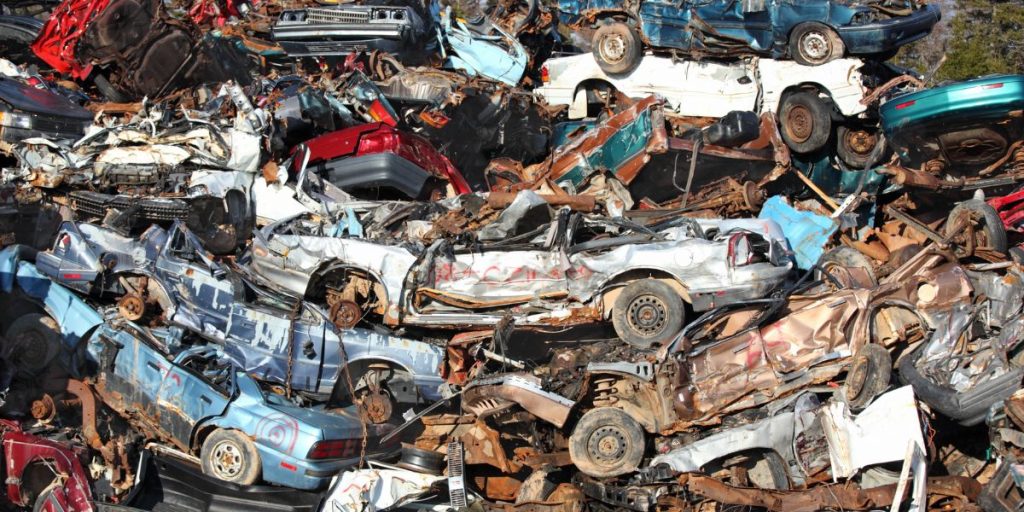
Where the Money Actually Comes From
Most of the value sits in three places. The first is ferrous steel, which makes up the majority of a vehicle’s weight and sells by the ton. The second is non-ferrous material such as aluminum, copper wiring, and radiators, which carries a higher price per pound. The third is individual parts, especially catalytic converters, which often account for a large share of a car’s scrap value. A yard that sorts these streams carefully pays better because it sells each one at its own market rate.
How Much Is a Car Worth at a Scrap Yard?
A car’s scrap yard value depends mainly on its weight, the current price of steel and other metals, and whether key parts like the catalytic converter are still installed. Prices change daily with commodity markets, so two identical cars can fetch different offers a week apart.
Weight is the starting point, because yards pay by the ton for the steel body. A full-size SUV or truck therefore usually brings more than a compact sedan. Complete vehicles also sell better than stripped ones, since missing engines, transmissions, or catalytic converters reduce what the yard can resell or recycle. Location matters too, because the distance to the nearest mill affects what a yard can afford to pay.
Businesses can protect their margin by asking for a clear, itemized quote. A trustworthy buyer explains how it calculates price per ton, what deductions apply, and when payment arrives. If you want to know exactly how much metal sits inside a typical vehicle, the breakdown in how much scrap metal is in a car helps you estimate what your inventory is really worth before you request a quote.
Why Does Logistics Matter in a Car Scrap Yard?
Logistics determine how quickly a car scrap yard can take in, process, and move vehicles. Efficient hauling, loading, and scheduling keep inventory flowing, reduce storage costs, and shorten the time between pickup and payment. A yard with weak logistics piles up cars, and sellers feel that delay in their payout.
A yard is only as profitable as its flow. If trucks arrive late or cars sit waiting for a crusher, space fills up and operating costs rise. That is why the best yards invest in scheduled pickups, organized staging areas, and reliable transport partners. Reliable scrap car haulers are the connection between a seller’s lot and the processing line, and they have a direct effect on how fast money changes hands.
For sellers, this means the pickup experience matters as much as the quoted price. A high offer means little if the vehicle waits three weeks for a truck. Businesses that need regular removal, such as fleets or dealership groups, usually do best with a yard that offers recurring service. Dedicated scrap hauling support lets you schedule removals around your own operations, not the other way around.
How Do You Choose the Right Car Scrap Yard Partner?
Choose a car scrap yard that is licensed, transparent about pricing, quick to pick up, and reliable on payment. Compare itemized quotes, ask how vehicles are weighed and graded, and confirm paperwork handling. The best partner treats you as a repeat business customer, not a one-time transaction.
Start with credentials. A legitimate yard holds the permits required in its state, follows environmental rules for fluid disposal, and gives you documentation for every vehicle it takes. This protects you from liability if a title or transfer issue comes up later. Next, look at how the yard handles pricing. Vague offers or unexplained fees are a warning sign, while published methods and clear weigh tickets point to a professional operation.
Speed and communication round out the decision. Ask how soon a pickup can be scheduled, how payment is made, and who your point of contact will be. Platforms built for business sellers make this easier by connecting you with vetted buyers and a defined process. That is the idea behind Scrap and Go, which helps companies compare options and move material without chasing multiple yards. You can explore the full approach at scrap and go, and if you are still weighing your options, the overview of where to sell scrap metal shows how different buyers compare.
A final point is sustainability, which now matters to customers and regulators alike. The ReMA also notes that roughly 80 percent of a typical vehicle by weight is recycled, which keeps millions of tons of steel and other metals out of landfills each year. Working with a responsible car scrap yard lets your business document that environmental benefit, which can strengthen your reputation with clients and partners.
Turning Retired Vehicles Into a Reliable Revenue Stream
A car scrap yard is not the end of a vehicle’s story. It is a processing hub that turns obsolete assets into raw material and cash. Businesses that plan for it, using accurate valuations, dependable hauling, and a transparent buyer, recover more value and free up space for work that earns more.
The practical path forward is straightforward. Audit the vehicles you are holding, estimate their metal and parts value, and request quotes from yards that explain their pricing. Set up a recurring removal schedule if you handle volume, so no vehicle sits idle. Then keep records of every transaction for tax and compliance purposes. With a partner like Scrap and Go handling the logistics side, a task that once felt like a burden becomes a routine, profitable part of operations.
Got Cars Sitting on Your Lot? Turn Them Into Cash.
Get a fast, transparent quote and reliable pickup from Scrap and Go.
Get My Free Scrap Quote →FREQUENTLY ASKED QUESTIONS
A car scrap yard is a licensed facility that buys end-of-life vehicles, removes fluids and valuable parts, then crushes and sells the remaining metal to mills for recycling into new products.
Businesses earn cash by selling unsellable vehicles for their steel, non-ferrous metals, and parts value, while also cutting the storage, insurance, and lot-space costs of holding dead inventory.
Value is based mainly on vehicle weight, current scrap metal prices, and the presence of valuable parts like the catalytic converter. Prices change daily, so quotes should be compared close to pickup.
Many yards offer pickup, and some provide scheduled removals for businesses. Always confirm timing, any towing fees, and required paperwork before agreeing to a quote so there are no surprises.
You typically need proof of ownership such as a title or transfer document, plus identification. Requirements vary by state, so confirm details with the yard before scheduling pickup.
Scrap and Go is a platform that helps businesses sell scrap metal and end-of-life vehicles, connecting sellers with buyers and hauling support so the process is faster and more transparent.