

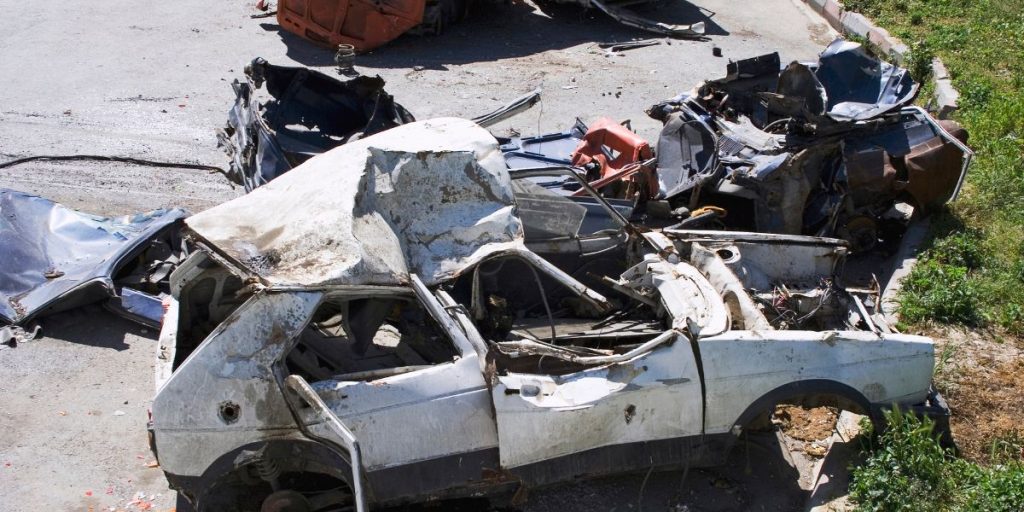
Every year, millions of vehicles reach the end of the road, and a crushed car doesn’t simply disappear, it enters a structured recycling pipeline that recovers metal, parts, and fluids for reuse. For auto dealerships managing trade-ins, fleet turnover, or unsellable inventory, understanding this pipeline isn’t just trivia; it directly affects how much value you recover and how compliant your disposal process is. This guide breaks down exactly what happens to crushed cars, why the process matters for dealerships, and how to get the most from vehicles headed for the crusher.
What Happens to Crushed Cars After They Leave a Dealership Lot?
When a dealership sends an end-of-life vehicle to a scrapyard, what happens to crushed cars follows a fixed sequence: fluids and hazardous materials are drained, reusable parts are pulled, the shell is flattened by a hydraulic crusher, and the compressed metal is shredded and sorted for recycling mills. According to the Institute of Scrap Recycling Industries (ISRI), the U.S. scrap recycling industry processes over 12 million end-of-life vehicles annually, making this one of the most standardized recycling chains in American manufacturing.
Dealerships that sell aged trade-ins directly to a scrapyard skip several informal resale steps, which speeds up lot turnover. Before a vehicle is crushed, most licensed facilities also check for outstanding liens and cancel the title, which protects the dealership from future liability tied to the vehicle’s VIN.

Why Do Auto Dealerships Send Vehicles to Be Crushed?
Dealerships crush vehicles that are unsellable, unsafe to repair, or too costly to recondition, converting dead inventory into immediate cash rather than absorbing storage and disposal costs. A crushed car program lets a dealership clear lot space faster than waiting on a private buyer or auction.
Common reasons a dealership routes a vehicle to a scrapyard instead of a used-car auction include:
| Reason | Typical Scenario | Dealership Benefit |
| Severe flood or fire damage | Trade-in fails safety inspection | Fast payout, no repair cost |
| Salvage/branded title | Vehicle can’t be resold at retail | Avoids liability from resale |
| High repair-to-value ratio | Repair cost exceeds resale value | Immediate cash recovery |
| Aged, non-moving inventory | Vehicle sits unsold 90+ days | Frees lot space, cuts holding cost |
| Failed emissions/safety recall | Non-compliant with state law | Removes compliance risk |
Routing these vehicles to be crushed avoids the carrying cost of holding onto inventory that will never generate retail margin.
What Is the Step-by-Step Process for a Crushed Car?
The crushed car process moves through five stages: intake and title verification, fluid and parts removal, flattening, shredding, and material sorting for resale to mills. Each stage is regulated to prevent environmental contamination and ensure recovered metal meets industry purity standards.
- Intake the yard verifies ownership and cancels the title.
- De-pollution batteries, oil, coolant, and refrigerant are drained per EPA guidelines.
- Dismantling resellable parts (engines, alternators, catalytic converters) are pulled first, since parts often carry more value than raw scrap.
- Crushing a hydraulic press flattens the shell to reduce transport volume.
- Shredding and sorting magnets and eddy-current separators split ferrous and non-ferrous metal for mill resale.
Dealerships that want documentation for their records should request a certificate of destruction at intake, since it formally closes out the vehicle’s title chain.
What Happens to the Metal and Parts From a Crushed Car?
Once shredded, steel from a crushed car is sold to mills and remelted into new steel products, while non-ferrous metals like aluminum and copper are separated and sold separately at higher per-pound rates. The Steel Recycling Institute notes that recycled steel from vehicles is commonly repurposed into construction rebar, appliances, and new automotive sheet metal within months of processing.
This recovery loop is why scrap value fluctuates with commodity steel prices, a factor dealerships should track if they’re timing bulk disposal of aged inventory. Parts pulled before crushing (engines, transmissions, catalytic converters) typically resell through separate parts marketplaces rather than going through the crusher at all, since intact components are worth more than shredded metal.
How Should Dealerships Choose a Facility for Crushing Vehicles?
Dealerships should work only with licensed, EPA-compliant facilities that provide title cancellation, a certificate of destruction, and transparent per-vehicle payout quotes before pickup. A facility that skips proper de-pollution steps can expose the dealership to environmental liability even after the vehicle changes hands.
Key questions to ask a facility before sending a batch of vehicles:
| Question | Why It Matters |
| Is the yard state-licensed for vehicle recycling? | Confirms legal compliance |
| Do they provide a certificate of destruction? | Closes the title/liability chain |
| Is pricing based on current scrap metal rates? | Prevents underpayment |
| Do they offer bulk/fleet pickup? | Saves dealership logistics time |
Dealerships selling higher volumes can often negotiate a standing bulk rate, which is worth comparing against per-vehicle spot pricing before committing to a single scrapyard.
How Does Selling a Crushed Car Compare to Auctioning It?
Selling directly for crushing typically nets a faster, guaranteed payout, while auctioning offers a chance at higher returns but carries listing fees, uncertain bids, and longer holding time. For a crushed car, this trade-off matters most on vehicles with salvage titles or heavy damage, where auction demand is thin and holding costs erode any potential upside.
Dealerships evaluating a batch of aged inventory can use a simple rule of thumb: if a vehicle’s repair or reconditioning cost exceeds 60% of its resale value, direct scrap sale usually outperforms auction net returns once fees and holding time are factored in.
Closing Remarks
For auto dealerships, understanding what happens to crushed cars isn’t just operational knowledge, it’s a way to protect margin on inventory that would otherwise sit unsold. From title cancellation through shredding and metal resale, the process is regulated, predictable, and fast when handled through a licensed facility. Dealerships that build a standing relationship with a scrap partner rather than shopping each vehicle individually tend to see better payouts and faster lot turnover. Explore scrap car selling options to see how your dealership can turn dead inventory into recovered cash.
FREQUENTLY ASKED QUESTIONS
After flattening, the shell is shredded into fist-sized pieces, then sorted by magnets and eddy-current separators into ferrous and non-ferrous metal for mill resale.
Yes. Licensed scrapyards typically quote a payout based on weight and current scrap metal rates before pickup, with payment issued at intake or title transfer.
Yes. Engines, transmissions, and catalytic converters are usually pulled first since resellable parts are worth more individually than shredded scrap metal.
It’s not always legally required, but dealerships should request one to formally close the title chain and avoid future liability tied to the vehicle’s VIN.
Recycled steel is remelted and resold to manufacturers for products like rebar, appliances, and new automotive sheet metal, often within months of processing.
For salvage-title or heavily damaged vehicles, crushing usually nets a faster, more predictable payout than auction, which carries fees and uncertain bidding demand.