

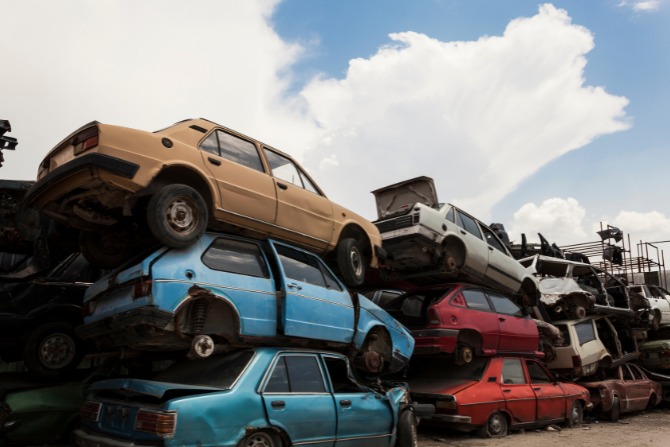
If you manage a fleet – whether it’s three pickups or thirty box trucks – you eventually run into a vehicle that no longer earns its keep. The engine seizes, the frame rusts through, or an accident leaves the cab beyond reasonable repair. At that point, a fleet manager faces a decision that sounds simple but has real financial consequences: is this a salvage truck or a scrap truck?
Getting the classification wrong doesn’t just cost you paperwork headaches. It can mean leaving resale value on the table, or worse, hanging onto a title that keeps a dead asset on your books longer than it needs to be. This guide breaks down the difference, shows you how to classify a non-operational truck correctly, and explains where crushed car hauling and professional removal services fit into the process.
What “Non-Operational” Actually Means
Before you can classify a vehicle, you need to confirm it’s genuinely non-operational – not just idle. A truck is typically considered non-operational when:
- It cannot be legally or safely driven on public roads
- Repair costs exceed a set percentage of its fair market value (often 70–75%, depending on state law)
- It has failed inspection and the failure involves structural, frame, or emissions issues that are uneconomical to fix
- It has been sitting unused for an extended period with no plan for repair
Once a truck meets these conditions, it moves out of the “active fleet” category and into a disposal decision – and that’s where the salvage-versus-scrap distinction matters.
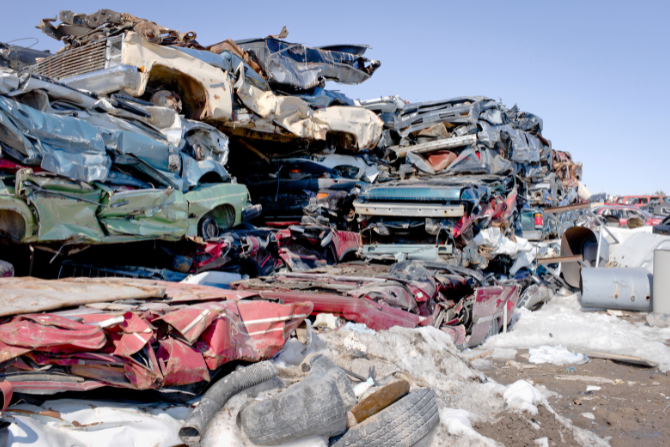
Salvage Truck: Still Has a Second Life
A salvage title is issued when an insurance company or state DMV determines a vehicle was damaged to a significant degree – usually after an accident, flood, or fire – but the truck still has usable value. Salvage vehicles can often be rebuilt, re-inspected, and re-titled as roadworthy, or they can be sold for usable parts.
Key traits of a salvage classification:
- The vehicle retains resale value, either as a rebuild project or a parts donor
- A salvage title follows the vehicle and must be disclosed in any future sale
- Buyers include rebuilders, parts resellers, and export markets
- The vehicle typically still has a recognizable frame, drivetrain components, or body panels worth extracting
If your truck falls into this category, you have options beyond the crusher. Working with a scrap car removal company that also evaluates salvage value can help you capture more money than an automatic scrap sale would.
Scrap Truck: End of the Line
A scrap classification means the vehicle has no reasonable path back to the road and little to no value beyond its raw materials – steel, aluminum, copper wiring, and catalytic converter metals. Common scrap indicators:
- Frame damage severe enough that rebuilding is not cost-effective
- Extensive rust-through affecting structural integrity
- Total loss from fire, flood, or major collision
- No functioning major components (engine, transmission) worth salvaging individually
Once a truck is scrap-classified, the fastest and most efficient path is direct pickup and processing through crushed car hauling – where the vehicle is transported to a facility, crushed, and recycled for material value. This is where a junk car removal company becomes the right partner rather than a salvage buyer.
Salvage-Title vs. Scrap-Only Classification: Comparison Table
| Factor | Salvage-Title Truck | Scrap-Only Truck |
| Title status | Salvage title issued, can potentially be rebuilt/re-titled | No rebuild path; title is retired at processing |
| Resale path | Sold to rebuilders, parts buyers, or exporters | Sold by weight to a scrap/recycling facility |
| Typical condition | Damaged but structurally repairable | Frame or structural damage beyond repair |
| Value driver | Parts, drivetrain, body panels | Raw metal weight and recyclable materials |
| Best-fit buyer | Salvage yards, rebuild specialists | Junk car removal company, crushed car hauling service |
| Paperwork | Salvage title transfer required | Certificate of destruction / bill of sale |
| Typical payout | Higher, varies by parts demand | Lower, based on current scrap metal rates |
| Timeline to close out | Can take longer if awaiting rebuild buyers | Usually fastest – same-day or next-day pickup |
How to Classify a Truck: A Quick Checklist
- Get a damage assessment. Have a mechanic or adjuster confirm whether repair costs exceed the truck’s fair market value.
- Check title status. If an insurer already issued a salvage title, the classification is partly made for you – but that doesn’t mean scrap isn’t still the better financial move.
- Evaluate component value. Does the engine, transmission, or drivetrain still function? If yes, salvage buyers may pay more than scrap weight alone.
- Confirm structural integrity. Frame rust-through or major collision damage usually points straight to scrap.
- Compare quotes. Reach out to both a salvage buyer and a scrap car removal company before deciding – the value gap is sometimes smaller than fleet managers expect.
Why This Matters for Fleet Management
Every non-operational truck sitting on your lot is dead weight – it ties up space, may still carry insurance or storage costs, and does nothing for your bottom line. Classifying it correctly the first time means you avoid the back-and-forth of listing a scrap-only vehicle as salvage (which rarely finds a buyer) or underselling a repairable truck straight to the crusher.
For fleets managing multiple retirements at once, working with a single provider that handles both classifications – and offers reliable crushed car hauling – simplifies logistics considerably. Instead of coordinating separate pickups for salvage-worthy trucks and scrap-only trucks, a full-service junk car removal company can assess each vehicle, quote it accurately, and remove it from your property without delay.
If you’re searching for scrap car haulers near me to clear out non-operational fleet assets, ScrapGo offers pickup, fair valuation, and fast turnaround for both salvage and scrap classifications. Learn more at scrapgo.com.
Frequently Asked Questions
Q: What’s the main difference between a salvage truck and a scrap truck?
A salvage truck has a title that reflects major damage but still holds resale or rebuild value. A scrap truck has no viable rebuild path and is valued mainly for its raw materials.
Q: Can a salvage-title truck still be driven?
Only after it passes a state-mandated inspection and is re-titled as rebuilt. Until then, it typically cannot be legally driven on public roads.
Q: Does a scrap truck need a salvage title first?
No. A scrap-only vehicle can go directly to a recycling facility with a certificate of destruction or standard bill of sale – no salvage title is required.
Q: How is crushed car hauling different from a regular tow?
Crushed car hauling is arranged specifically for vehicles headed to a recycling or crushing facility, often using flatbeds or roll-off equipment designed for non-drivable vehicles, rather than a standard emergency tow.
Q: How do I find reliable scrap car haulers near me?
Look for a company that provides same-day quotes based on weight and condition, handles title paperwork, and offers free pickup – this usually signals an established, full-service operation rather than a broker.
Q: Will I get more money from a salvage buyer or a scrap company?
It depends on the vehicle. If major components still function, a salvage buyer may pay more. If the truck is structurally compromised, scrap value based on current metal rates is usually the more realistic and faster option.
Q: What paperwork do I need before a fleet truck is picked up?
Typically the title (salvage or clean), proof of ownership, and a government-issued ID. A reputable scrap car removal company will confirm exact requirements based on your state before pickup.