


What happens to crushed cars is largely decided before the crusher ever starts: yards strip out the valuable copper-bearing parts first. Once a car is flattened, its copper is mixed in with steel, plastic, and glass, and it is hard to recover at a good grade. For scrap yard operators, dealers, and fleet managers, the pre-crush teardown is where much of the margin is made. This guide explains which parts yards pull, why, and how to protect your payout.
What Happens to Crushed Cars When Copper Is Left Inside?
When copper stays inside a car, the vehicle is crushed, hauled to a shredder, and broken into mixed streams. Copper recovered at that stage is lower grade and sells for less than hand-pulled material. Copper that goes unrecovered contaminates the steel. That is why what happens to crushed cars affects your margins.
A crushed car is a compacted bale of mostly steel, which makes up the bulk of a vehicle’s weight. Copper is a small share by weight, but it is the most valuable common metal in the car. Once the car is compressed, wire bundles and motor windings are buried inside the bale. Downstream shredders and sorting systems recover some of that copper, but the results are inconsistent. Copper that shows up in the steel stream can also reduce the grade of your ferrous scrap.
If you want the full picture of the process after the crusher, read our breakdown of what happens to crushed cars. The short version for operators is simple. Any copper you recover before crushing is copper you do not have to hope a shredder catches later.
What Car Parts Have Copper?
The main answer to what car parts have copper is the wiring harness, followed by the starter motor, alternator, and other small electric motors. Heater cores, older radiators, A/C components, ignition coils, and some sensors also contain copper or copper alloys such as brass. The wiring harness holds the most.Here is a closer look at the parts that matter most when you are planning a teardown.
Wiring Harness
The wiring harness is the biggest single source of copper in most vehicles. The Copper Development Association (CDA) has noted that more than half of the copper in a vehicle sits in the wiring harness and other electrical components. It runs through the dashboard, doors, engine bay, and floor. It is also the most time-consuming part to remove cleanly, so many yards prioritize the sections that are easiest to access.
Starter Motor and Alternator
Starters and alternators contain copper windings wrapped around a core. They bolt on, they come off in minutes, and they can be sold whole or processed later. Many yards pull them as a standard step because the labor-to-value ratio is strong.
Radiators, Heater Cores, and A/C Components
Older radiators and heater cores often contain copper and brass, while many newer ones are aluminum. Check the material before you sort it, because mixing the two reduces its value. A/C condensers and some lines may also carry copper or copper-bearing alloys.
Small Motors, Coils, and Sensors
Blower motors, window motors, wiper motors, fuel pump motors, and ignition coils all carry small amounts of copper winding. Individually they add little. Across a full lot of vehicles, they add up.For a deeper breakdown by vehicle weight and metal type, see our guide on what car parts have copper and how much scrap metal is in a car overall.
Which Copper Parts Do Yards Pull Before Crushing First?
Yards generally pull copper in order of return on labor: starters, alternators, accessible wiring, radiators, and heater cores first, then deeper harness sections. The aim is to recover the highest value in the least time. Anything that takes longer than its payout justifies is often left for the shredder.
A typical priority order looks like this:
- Starter motor and alternator: fast to remove, solid copper content
- Accessible engine-bay wiring: easy to cut and strip
- Radiator and heater core: quick to remove, but verify copper versus aluminum
- A/C components: moderate effort, moderate return
- Main harness sections: highest copper content, but the most labor
- Small motors and coils: pulled in bulk when volume justifies it
Every yard sets its own cutoff based on labor cost, local copper prices, and vehicle volume. A good rule is to compare the time to remove a part against the scrap price it fetches. As that ratio improves, pull more. As it worsens, send the car on to the crusher. Remember that what happens to crushed cars is mostly a steel story. Copper is where you earn extra before that point.
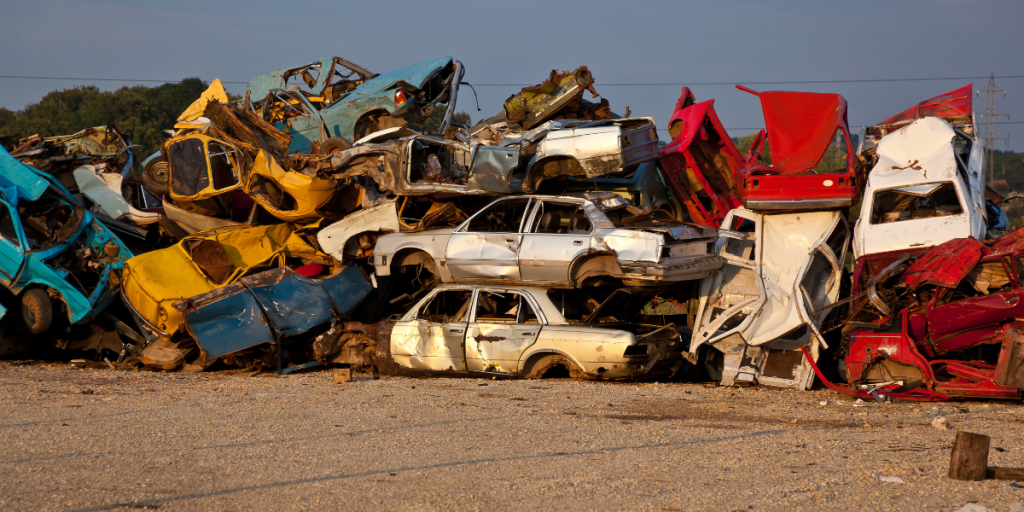
Why Do Yards Remove Copper Before Crushing?
Yards remove copper before crushing because hand-pulled copper commands a higher price than copper recovered from shredded mixed material. Clean, sorted copper meets buyer grade standards. Mixed or contaminated copper is discounted. Removing it first also keeps the steel stream cleaner, which protects the value of the rest of the car.
There are three practical reasons.
1. Higher grade, higher price. Buyers grade copper by cleanliness and form. Bare, bright wire and clean motor windings sit in higher grades than insulated or mixed material. If you want to see how grades translate to payouts, our guide to copper wire scrap grading walks through the categories.
2. Cleaner steel. Copper contamination can lower the quality of ferrous scrap. Removing copper before the car is crushed helps keep the steel bale closer to spec.
3. Full recyclability. The International Copper Association has stated that copper is 100% recyclable without loss of properties. Recovered copper keeps its value and can re-enter the supply chain repeatedly. It is worth pulling.
How Do Yards Pull Copper Efficiently Before Crushing?
Efficient copper recovery follows a repeatable teardown sequence: inspect the vehicle, drain fluids, remove the accessible high-value parts, strip the wiring, sort by material, and store the copper in separate bins. Standardizing this order cuts labor time and prevents cross-contamination between copper, aluminum, and steel.
A simple workflow:
- Inspect and tag the vehicle for known high-copper components.
- Drain fluids and remove batteries per your safety and environmental procedures.
- Pull the starter, alternator, and accessible small motors.
- Remove radiators and heater cores, and confirm the material.
- Cut and bundle accessible wiring harness sections.
- Sort each material into its own labeled bin.
- Weigh and log recovered copper by grade.
- Send the stripped vehicle to the crusher.
Training matters as much as tools. A trained worker can identify copper-bearing parts quickly and avoids wasting time on low-value components. Small-volume yards can start with a short priority list. Larger operations often add dedicated harness-stripping stations.
If you handle volume, it also helps to know how much metal a vehicle holds in total. Our article on how much copper is in a car explains what a typical car still contains once it reaches the crusher.
Do Hybrid and Electric Vehicles Change the Copper Equation?
Yes. Hybrid and electric vehicles contain far more copper than conventional cars. According to the Copper Development Association, conventional vehicles hold roughly 18 to 49 pounds of copper, hybrids about 85 pounds, plug-in hybrids about 132 pounds, and battery electric vehicles about 183 pounds.
That difference changes the economics of what happens to crushed cars as more electrified vehicles reach end of life. Larger copper content means more value to recover before the crusher and more value lost if the copper is left behind. Yards that build teardown processes for these vehicles now will be better prepared as volumes rise.
A few cautions apply. High-voltage batteries and components require trained personnel and proper safety procedures, and they should never be handled casually. Always follow manufacturer guidance, OSHA requirements, and local regulations before dismantling electrified vehicles.
For a look at the stages that follow the teardown, see what happens after car shredding and where each ton of metal ends up.
Final Takeaways for Yard Operators and Dealers
Copper-bearing parts are worth pulling before a car is crushed because crushing mixes copper into the steel and lowers its recovery value. Prioritize starters, alternators, radiators, and accessible wiring, and set a clear labor-versus-payout threshold. As electrified vehicles grow in volume, copper recovery will matter even more.
A few points to carry forward:
- Pull the highest-value, easiest-to-reach copper parts first.
- Keep copper sorted and clean to qualify for higher grades.
- Verify radiator and heater core material before sorting.
- Treat electrified vehicles as a separate, safety-first process.
- Track recovery by vehicle so you can refine your cutoff over time.
Selling recovered copper to a reliable buyer completes the process. A trusted marketplace gives you competitive pricing, transparent grading, and dependable pickup. Visit ScrapGo to see how businesses move scrap and crushed cars efficiently.
Frequently Asked Questions
Crushed cars are transported to a shredder, broken into small pieces, and separated into ferrous metal, non-ferrous metal, and residue. The steel is sold to mills, and recovered metals go to processors for remelting.
The wiring harness holds the most copper. Starters, alternators, small electric motors, ignition coils, heater cores, some radiators, and A/C components also contain copper or copper alloys such as brass.
According to the Copper Development Association, conventional cars contain roughly 18 to 49 pounds of copper. Hybrids average about 85 pounds, and battery electric vehicles about 183 pounds.
Hand-pulled copper sells at a higher grade than copper recovered from shredded material. Removing it first also keeps the steel cleaner, which protects the value of the crushed car.
Start with starters, alternators, accessible wiring, radiators, and heater cores. These offer the best return for the least labor. Deeper harness sections follow when the payout justifies the time.
Some copper is recovered after shredding, but it is mixed with other materials and sells at a lower grade. Pulling copper before crushing yields cleaner, higher-value material.